Valentini Puffer Care Guide: Tank Size, Diet, Reef Safety & Tankmates
Valentini Puffer care made simple: the tank size this small toby needs, what to feed to keep its beak healthy, whether it is reef safe, and the best tankmates.
The Valentini Puffer, also called the Black Saddled Toby, is a small puffer with dark saddles, brown spots, and a yellow tail. It is hardy and full of personality, but it is a poor fit for most reef tanks.
Quick facts
- Tank size: 30 gallons or larger
- Adult size: about 4 inches
- Diet: carnivore; mysis, krill, clams, and shell-on foods
- Reef safe: no; eats snails, crabs, and shrimp and may nip corals
- Difficulty: easy; hardy once eating
- Temperament: semi-aggressive; may nip slow fish
What it looks like
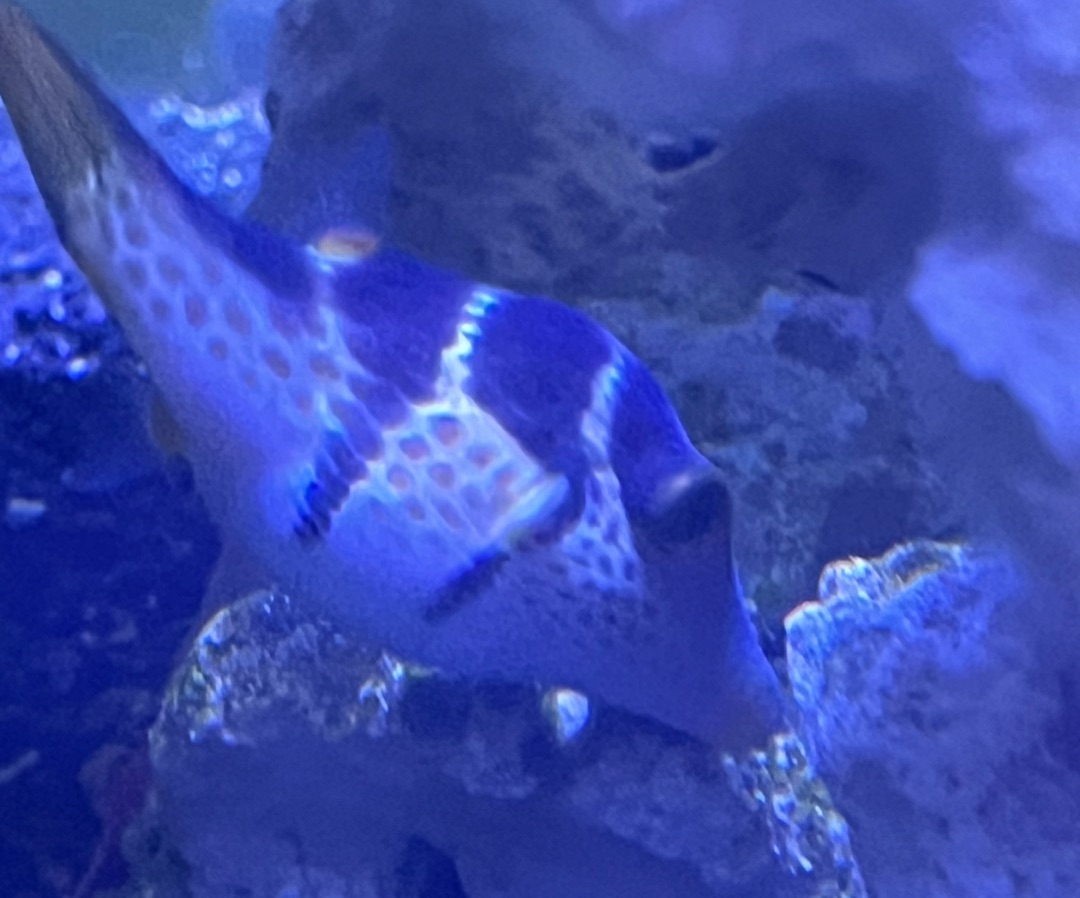
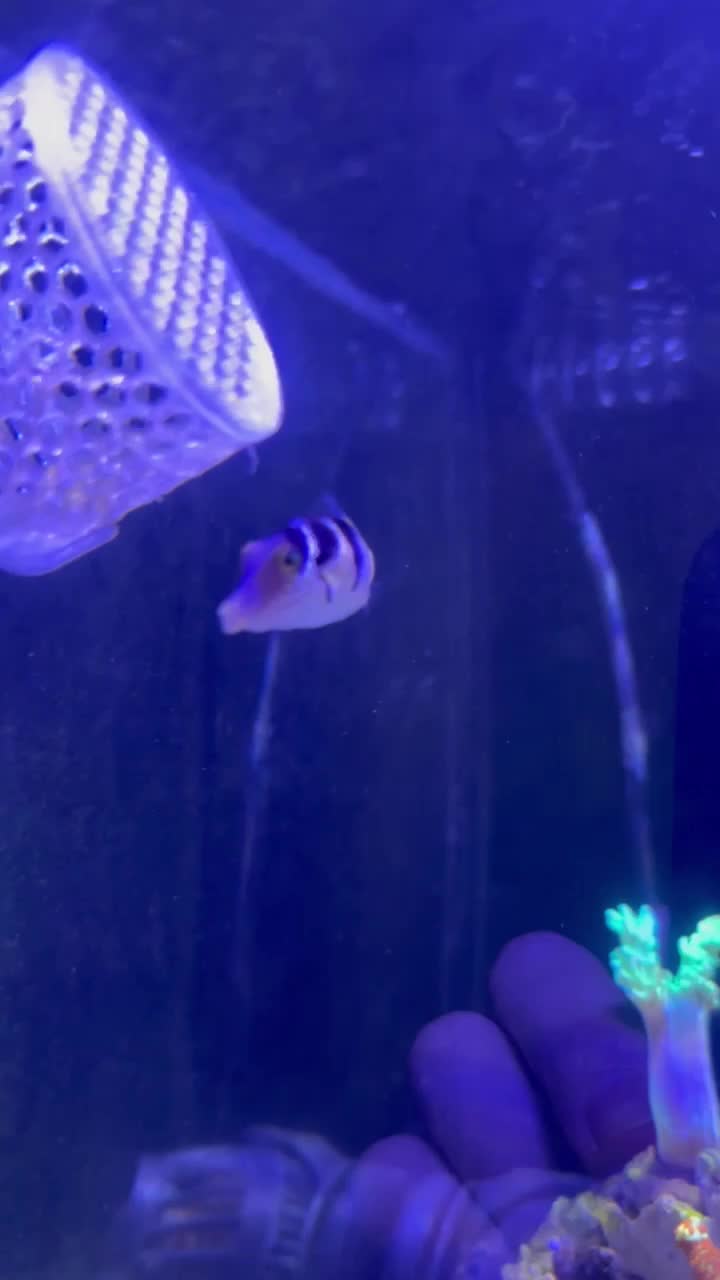
This toby has a white body covered in small brown spots. Four dark saddles cross its back, and the tail is bright yellow.
- Eyes: move on their own, so it can look two ways at once
- Mouth: a hard beak made of fused teeth
- Look-alike: the Mimic Filefish copies this pattern to stay safe from predators
Is it reef safe?
Not really. Valentini Puffers love to crunch on snails, hermit crabs, and shrimp, and some will pick at coral polyps or clam mantles.
A few keepers have luck with tough soft corals. If you want a full reef with a cleanup crew, pick a different fish.
Is it right for your tank?
This puffer is a great pick if you want a small, smart fish with lots of character. It suits a fish-only tank or a reef with only tough corals.
- Good fit: fish-only tanks with live rock, 30+ gallons
- Poor fit: reefs full of shrimp, crabs, snails, or clams
Buying tips
- Pick an eater: ask to see it eat frozen food before you buy
- Look for: clear eyes, a round belly, and calm swimming
- Size: a 2-inch fish settles in easier than a large adult
Tank setup
- Space: 30+ gallons with open swimming room
- Rockwork: live rock with caves and ledges to explore
- Flow: gentle to medium
- Water: 74–80°F, salinity near 1.025, stable pH
- Filtration: a good skimmer, since puffers are messy eaters
Feeding
Puffer teeth never stop growing. Hard foods wear the beak down so the fish can keep eating.
- Frozen mysis and krill
- Clams or mussels on the half shell
- Shell-on shrimp and small snails
- Quality marine pellets
Feed once or twice a day. Offer something crunchy at least a few times a week.

Photo: Karelj, Wikimedia Commons, public domain
Behavior
Valentini Puffers are curious and often beg at the glass. Many learn to know their owner.
- Nipping: may bite the fins of slow or long-finned fish
- Puffing: only when very scared; never lift one out of water
- Toxin: the skin holds a toxin, so do not keep it with fish that might try to eat it
Health tips
Puffers have no scales and react badly to copper. Ask before using any copper medicine.
- Quarantine: follow our 30-day fish quarantine protocol
- Beak check: an overgrown beak makes eating hard; add more crunchy food
- Watch for: white spots, fast breathing, or not eating
Tankmates
- Good: tangs, larger wrasses, hawkfish, and dwarf angelfish
- Risky: slow fish with long fins, like some gobies
- Avoid: shrimp, crabs, snails, and other tobies in small tanks
Want a bigger puffer instead? Read our porcupine puffer care guide.
FAQs
Can a Valentini Puffer live in a reef tank?
It can with tough corals, but it will likely eat your snails, crabs, and shrimp. A fish-only tank with live rock is safer.
Is the Valentini Puffer poisonous?
Its skin holds a toxin that protects it from predators. It is safe to keep, but never let a big fish eat it.
How big does it get?
Most reach about 4 inches in home tanks, so it stays small for a puffer.
Ready to add one?
Looking for a Valentini Puffer or the right tankmates? Browse fish from trusted sellers on the ReefBay shop.