Volitans Lionfish Care Guide: Tank Size, Diet, Venom & Tankmates
Volitans Lionfish care made simple: tank size, how to train it onto frozen food, venom safety, which tankmates are safe, and smart tips for buying a healthy lionfish.
The Volitans Lionfish (Pterois volitans) is a big, slow, showy predator with bold stripes and huge fan-like fins. It is fairly easy to keep if you plan for its size, its appetite, and its venomous spines.
Quick facts
- Tank size: 120 gallons or more
- Adult size: up to about 15 inches
- Diet: carnivore; frozen silversides, krill, squid, and shrimp
- Reef safe: with caution; safe with corals, not with shrimp or small fish
- Difficulty: moderate
- Temperament: semi-aggressive; eats anything that fits in its mouth
What makes it special
Also called the Red or Common Lionfish, it has red-brown and white bands, long feathery fins, and tall spines on its back. It glides through the tank and is calm around people.
It comes from the western Pacific. It is now invasive in the Atlantic and Caribbean, so never release one into the wild.

Behavior you can expect
Lionfish spend much of the day hovering near rocks or hanging upside down under ledges. They wake up at feeding time and stalk food with their fins spread wide.
- Hunting: it corners prey with its fins, then swallows it in one quick gulp
- With people: it learns your routine and often swims up to the glass
- With other lionfish: keep one per tank unless the tank is very large
Venom safety
The spines on its back, belly, and tail carry venom. A sting is very painful but rarely dangerous for healthy adults.
- Use long tongs and a net; keep your hands out of its path
- Always know where the fish is before you work in the tank
- If stung, soak the spot in hot (not scalding) water and call a doctor
Tank setup
- Space: a long tank with open swimming room and a few caves or overhangs
- Water: 72–78°F, salinity 1.020–1.025, pH 8.1–8.4
- Filtration: a strong protein skimmer, since big meat meals mean lots of waste
- Flow: gentle to moderate; it is not a strong swimmer
Juveniles grow fast, so buy the big tank first, not later.
Diet and feeding
Wild-caught lionfish often eat only live food at first. Most can be trained to take frozen food with a little patience.
- Wiggle thawed silversides, krill, or shrimp on a feeding stick
- Feed juveniles once a day and adults 2–3 times a week
- Soak food in vitamins now and then
- Skip feeder goldfish; freshwater fish are poor nutrition for saltwater fish

Tankmates
The rule is simple: if it fits in the lionfish's mouth, it will be eaten. That mouth is much bigger than it looks.
- Good matches: large tangs, angelfish, foxfaces, groupers, and big wrasses
- Use caution: triggers and puffers that may nip its fins
- Avoid: shrimp, small crabs, gobies, chromis, and other small fish
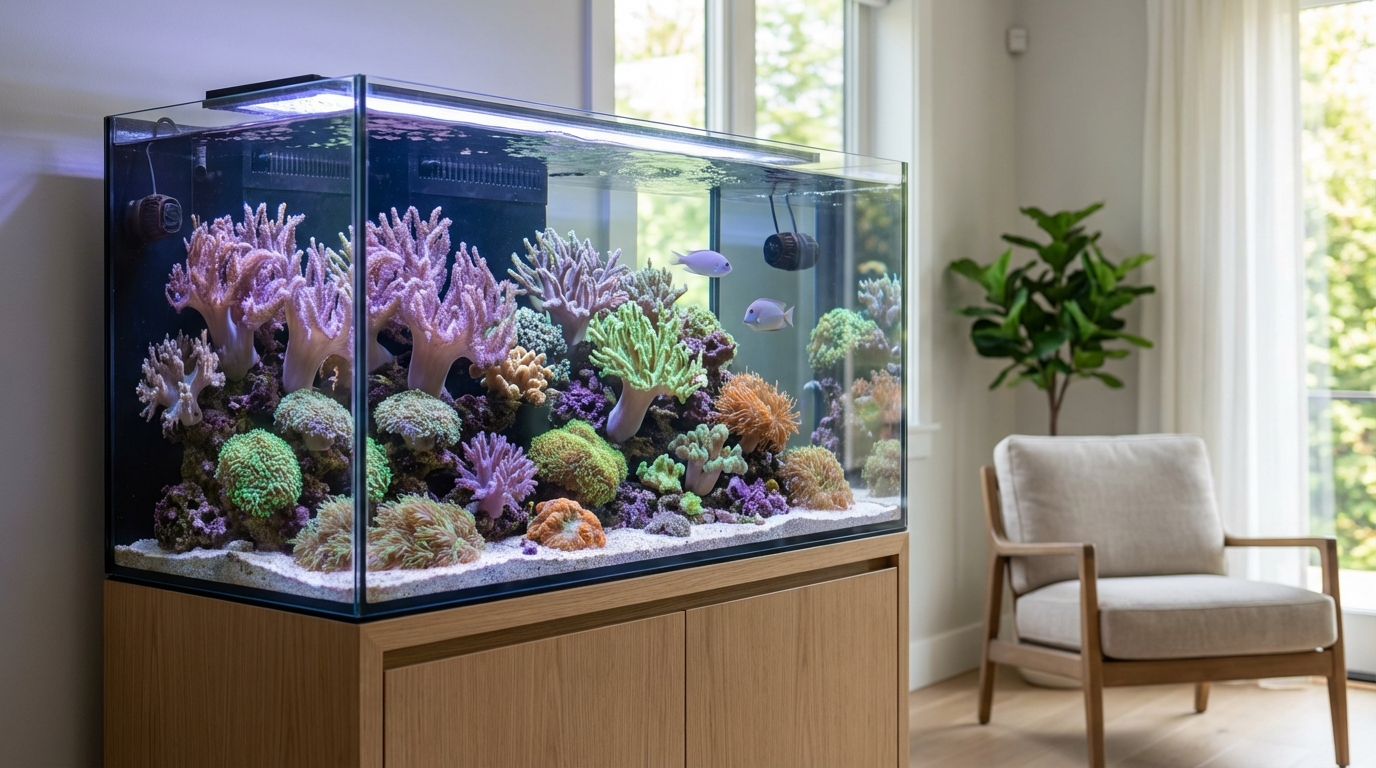
It leaves corals alone, so a reef with only large fish can work.

Photo: Jens Petersen (edited by Olegiwit and Fir0002), Wikimedia Commons, CC BY 2.5 — Volitans Lionfish in the wild
Health and lifespan
- Watch for: cloudy eyes, fin rot, or a fish that stops eating
- Quarantine: follow our 30-day fish quarantine protocol
- Medicine: lionfish can be sensitive to copper, so dose with care
- Lifespan: 10–15 years with good care
Buying tips
- Ask: is it eating frozen food yet? A trained fish saves you weeks
- Look for: clear eyes, full fins, and a round belly
- Size: a small juvenile adapts fastest to tank life
FAQ
Is a lionfish sting deadly? Almost never for healthy adults, but it hurts a lot. Use hot water and get medical help.
Can I keep a lionfish in a reef tank? Yes, with corals and large fish. Shrimp, crabs, and small fish will become food.
How fast does it grow? Quickly. A 3-inch juvenile can pass 10 inches within a couple of years.
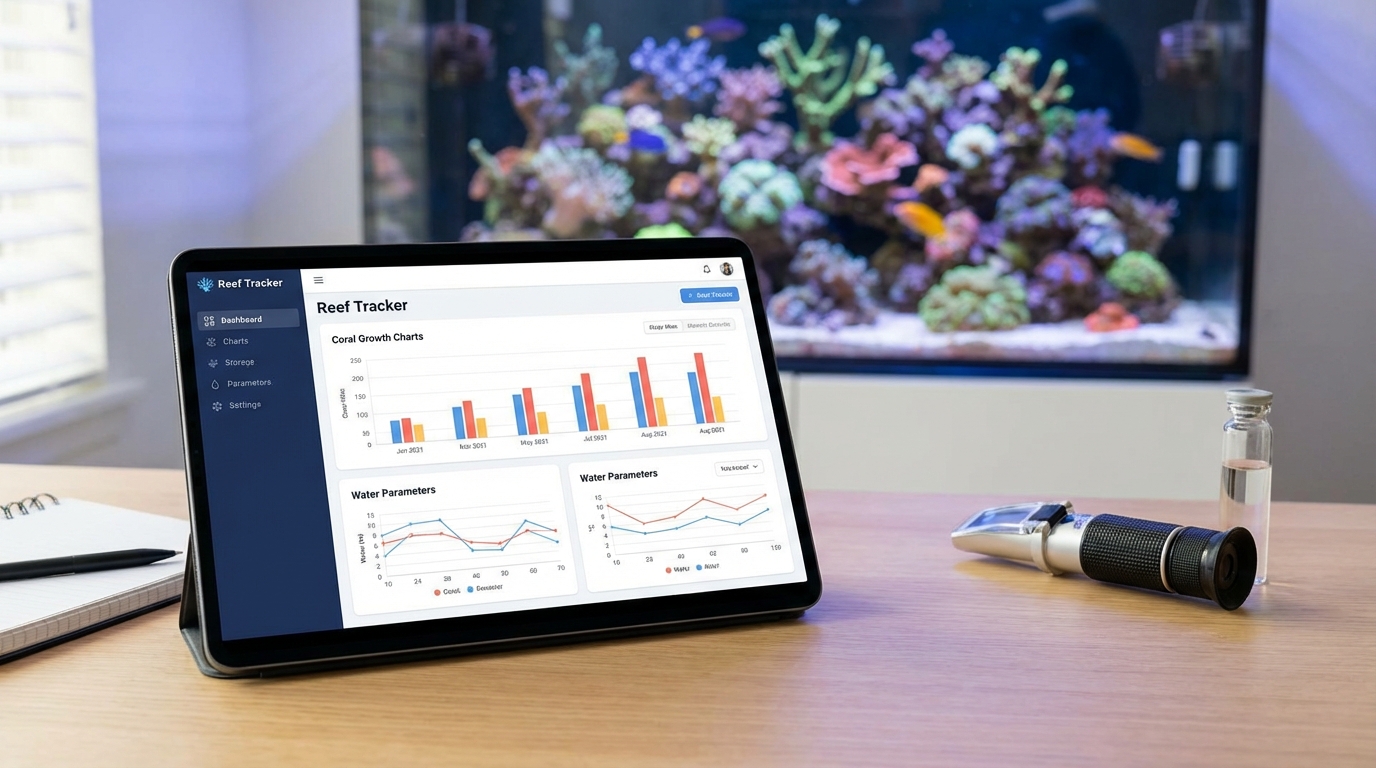
Ready to add one? Browse livestock in the ReefBay shop, then track feedings and water tests in the ReefBay app.