
Alcune domande che mi sono venute in mente ieri sera mentre prendevo appunti e facevo ricerche.
- Come faccio ad alzare il mio pH, i fosfati, il calcio e l’alcalinità?
- Il miglior kit di test economico per magnesio e potassio?
Suggerimenti ben accetti 😊
Some questions I came up with last night taking notes and doing research.
-How do I raise my pH, phosphates, calcium and alkalinity?
-Best affordable test kit for magnesium and potassium?
Suggestions welcomed 😊
Commenti
Accedi per lasciare un commento
Ancora nessun commento
Inizia tu la conversazione.
 @BradMac5618
1y
Questo può variare parecchio Le cose principali che teniamo sotto controllo o dosiamo nelle vasche reef sono Nitrati Fosfati Alcalinità Calcio Magnesio I tuoi nitrati e fosfati vengono dal cibo e dagli scarti dei pesci. Di solito queste cose non si aggiungono intenzionalmente a un sistema, a meno che non sia una vasca di fascia alta che li consuma più velocemente di quanto salgano da soli. L’alcalinità è molto importante indipendentemente dal tipo di coralli che tieni in vasca. L’alcalinità controlla quanto bene la tua acqua tamponi cose come il pH e contribuisce ai tassi di consumo di calcio, magnesio e tutti gli altri elementi nella tua vasca. Il calcio è più importante per i reef con coralli duri. Se hai LPS ne consumeranno meno rispetto agli SPS, che ne consumeranno di più. Lo aggiungiamo per assicurarci che sia presente a sufficienza nella colonna d’acqua per permettere ai coralli di trasformarlo in uno scheletro. Il magnesio è più o meno la stessa cosa ed è consumato da tutti i tipi di coralli, alcuni più di altri. Se sei nuovo nell’hobby, queste cose, insieme a temperatura e salinità, sono le uniche che io terrei davvero nel range giusto. Cercare troppo presto le tracce molto minute come potassio, manganese, boro, ecc. probabilmente ti porterà a inseguire i numeri e ad aggiungere cose al tuo reef senza capirle, rovinando l’equilibrio. Se segui e dosi una linea di integratori ben nota che tende a seguire ciò che la tua vasca consuma (impara cosa usa la vasca testando più o meno ogni settimana) Qualcosa come All for Reef Aquavitro: 8 4, Calcification,ions Red Sea 2 part Ecc. Alcuni prodotti come All for Reef aggiungono tutto in una dose pre-calcolata. Altri invece ti permettono di intervenire sul bisogno individuale. Non tutte le vasche consumeranno le cose allo stesso ritmo perché abbiamo tutti coralli e tassi di crescita diversi! Concentrarti su questi elementi chiave è la base fondamentale che puoi usare per far crescere la tua conoscenza e i tuoi coralli e decidere se vuoi iniziare a monitorare e regolare gli elementi più minuti nel tuo reef! Spero che questo sia utile e non troppo tutto insieme.
This can vary alot The main things we track or dose in reef tanks is Nitrate Phosphate Alkalinity Calcium Magnesium Your Nitrates and Phosphates come from your food and fish waste. These things are not commonly added intentionally to a system unless it's a very high end tank that consumes it faster then it rises on its own. Alkalinity is very important no matter what types of corals you keep in a tank. Alkalinity controls how well your water buffers things like PH and contributes to the consumption rates of Calc, Mag, and all other elements in your tank. Calcium is more important for reefs with stoney corals. If you have LPS they will consume less of it then if you have SPS which will consume more. This we add to make sure it's present in the water column enough to allow corals to metabolize it into a skeleton. Magnesium is much the same and is consumed by all types of corals some more then others. If your newer to the hobby these as well as temperature and Salinty are the only things I would practice keeping in range. Trying to early to find the very minute traces like potassium, manganese, boron, etc will likely cause you to chase numbers and add things to your reef without understanding them and messing the balance up. If you track and dose any well known supplement line that tends to follow what your tank consumes (learn what the tank uses by testing weekly or so on) Anything like All for Reef Aquavitro: 8 4, Calcification,ions Red Sea 2 part Etc Some products like all for reef add everything in a precalculated dose. While others allow you to target the individual need. Not all tanks will consume things the same rate bc we all have different corals and growth rates! Focusing on these key elements is the foundational basics you can use to grow your knowledge and corals and decide if you want to begin tracking and tweaking the more minute traces elements in your reef! Hope this is helpful and not too much information at once.
@BradMac5618
1y
Anch’io ho trovato che i kit di test Salifert siano un punto di partenza accurato ed economico.
I also found the salifert test kits to be a accurate affordable starting set.
 @MalEficent
1y
Questo!!! Ottima spiegazione. Sono ancora nuovo nell’hobby ma riassume un sacco di quello che ho imparato. Uso i kit di test Salifert e sono più facili degli API, più accurati e molto facili da leggere. Li adoro, senza dover pagare 70 $ a pezzo per i Hanna’s
This!!! Great explanation. I’m still new to the hobby but sums up a lot of what I’ve learned. I use the Salifert testing kits and they are easier than the API and more accurate and very easy to read. Love them without having to pay $70 a pop for Hanna’s
Accedi per partecipare alla conversazione.
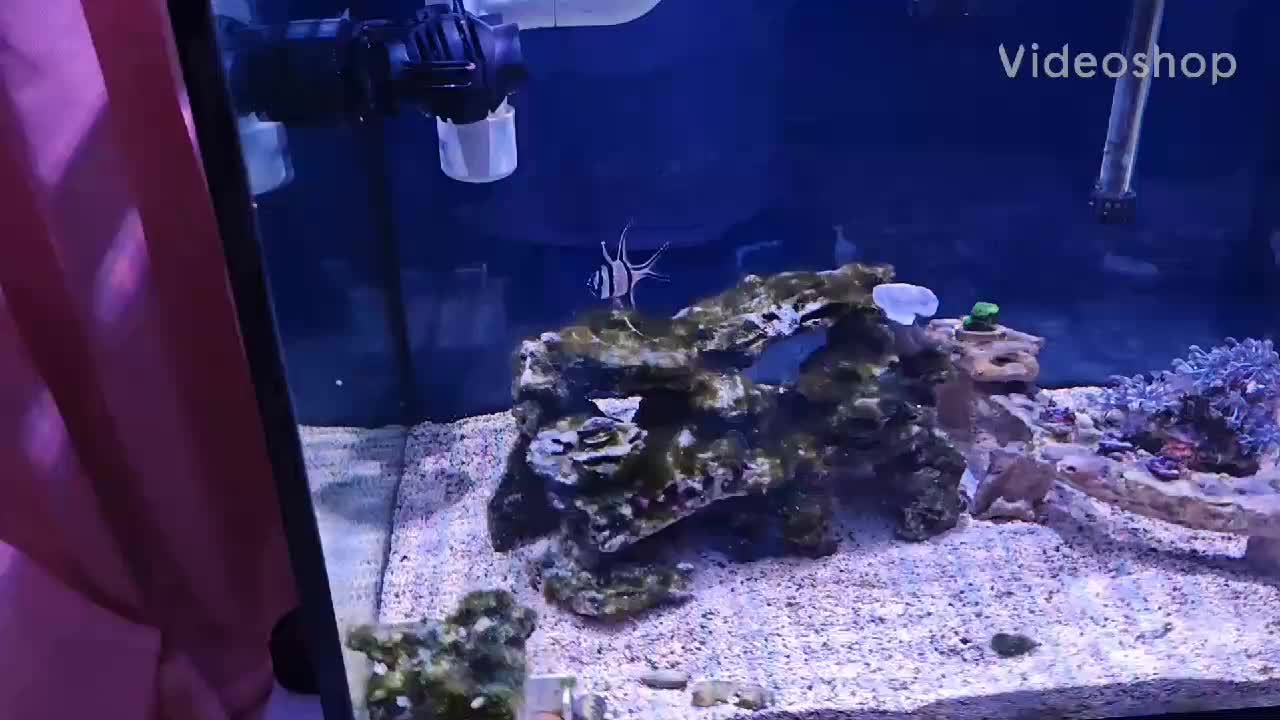

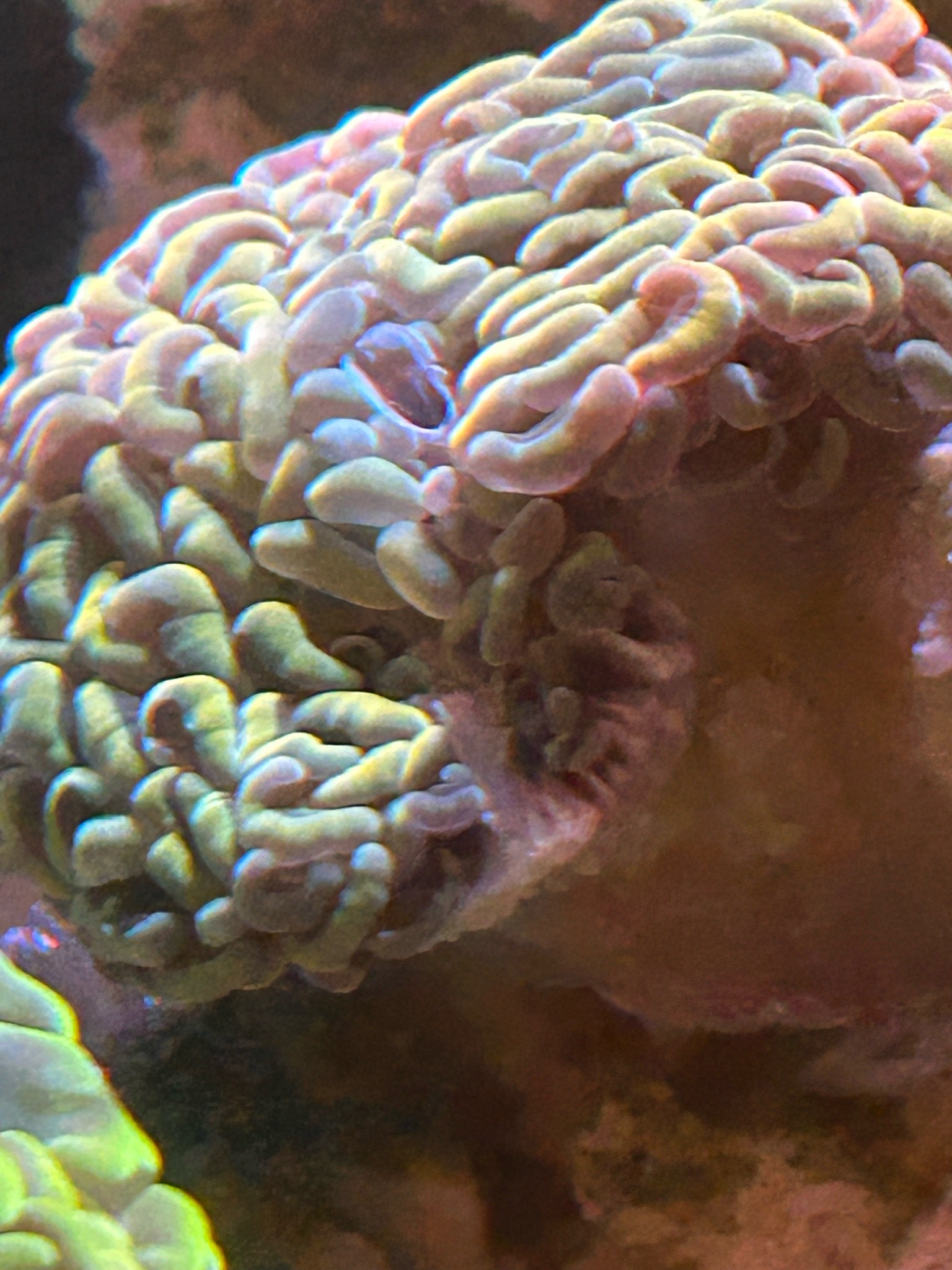
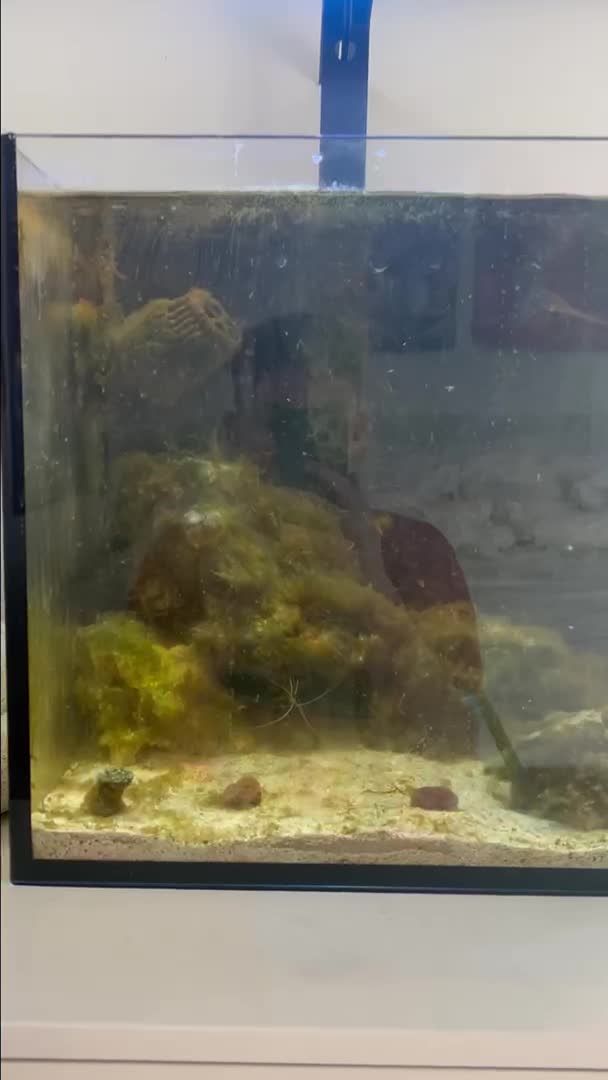

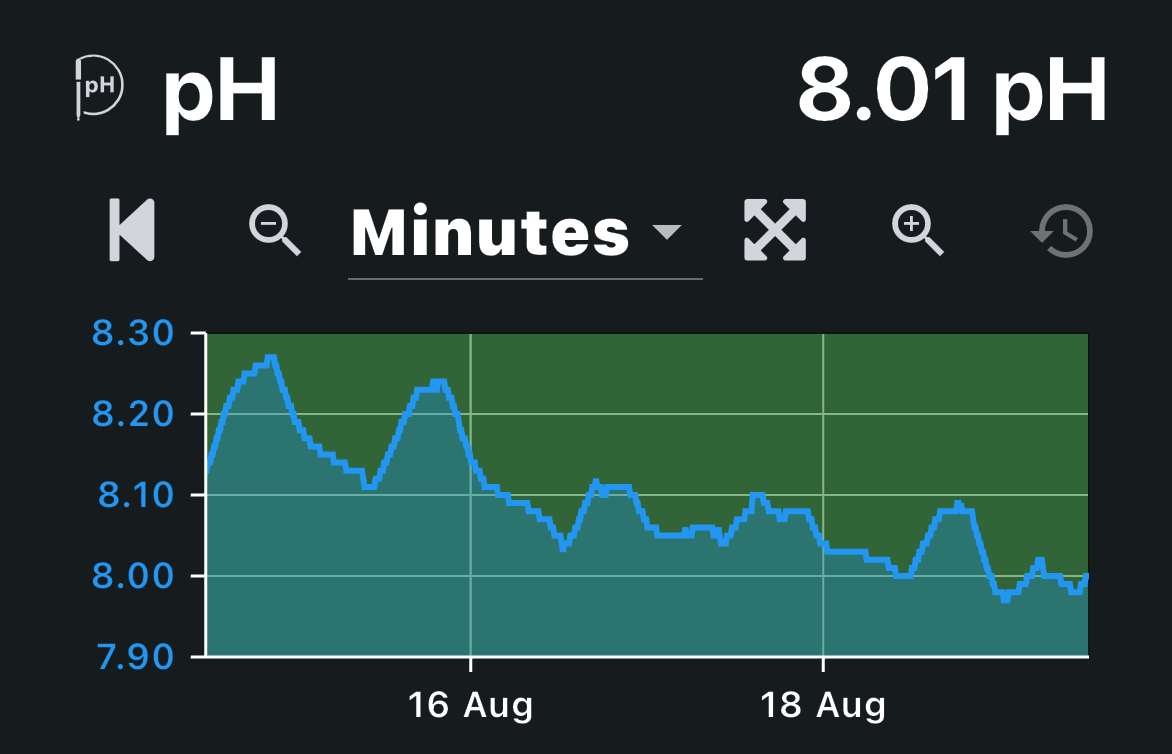



Ho avuto buoni risultati dosando semplicemente All for Reef. Assicurati solo di testare i parametri dell’acqua così dosi in base a quello che la tua vasca sta consumando
I’ve had good success with just dosing All for Reef. Just make sure you’re testing water parameters so you dose according to what your tank is using
Contiene rame? Ho visto un post da qualche parte che diceva di sì e ho letto che il rame può uccidere gli invertebrati. Ci sono istruzioni per vasche più piccole? La mia è da 30 gallon
Does that have copper in it? I seen a post somewhere that said it did and I’ve read that copper can kill your inverts. Is there instructions for smaller tanks? Mines a 30 gallon
Contiene rame, ma a livelli bassi che non dovrebbero dare fastidio agli invertebrati
It does contain copper, but at low levels that should not bother inverts