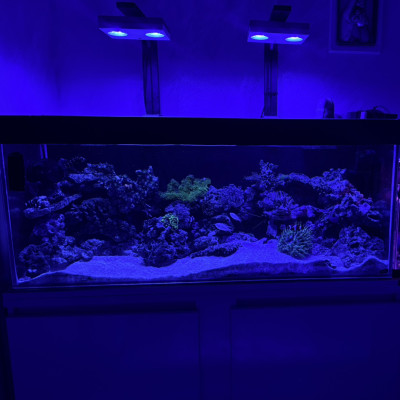
Need help with my Sarcophyton leather coral
Hi everyone! I’m looking for some advice about my Sarcophyton leather coral.
It hasn’t opened or extended its polyps for about a month. The coral is still soft to the touch and moves naturally with the water flow, but green patches that look like algae are starting to grow on its surface.
I’ve noticed that a film forms on the top of the coral. I gently removed it once, but it seems to be forming again.
All my other corals nearby are doing well, but this Sarcophyton still hasn’t opened.
Has anyone experienced something similar? What could be causing this, and what would you recommend I do to help it recover?
Any advice would be greatly appreciated. Thank you!
Comments
Sign in to leave a comment
No comments yet
Be the first to start the conversation.
Sign in to join the conversation.
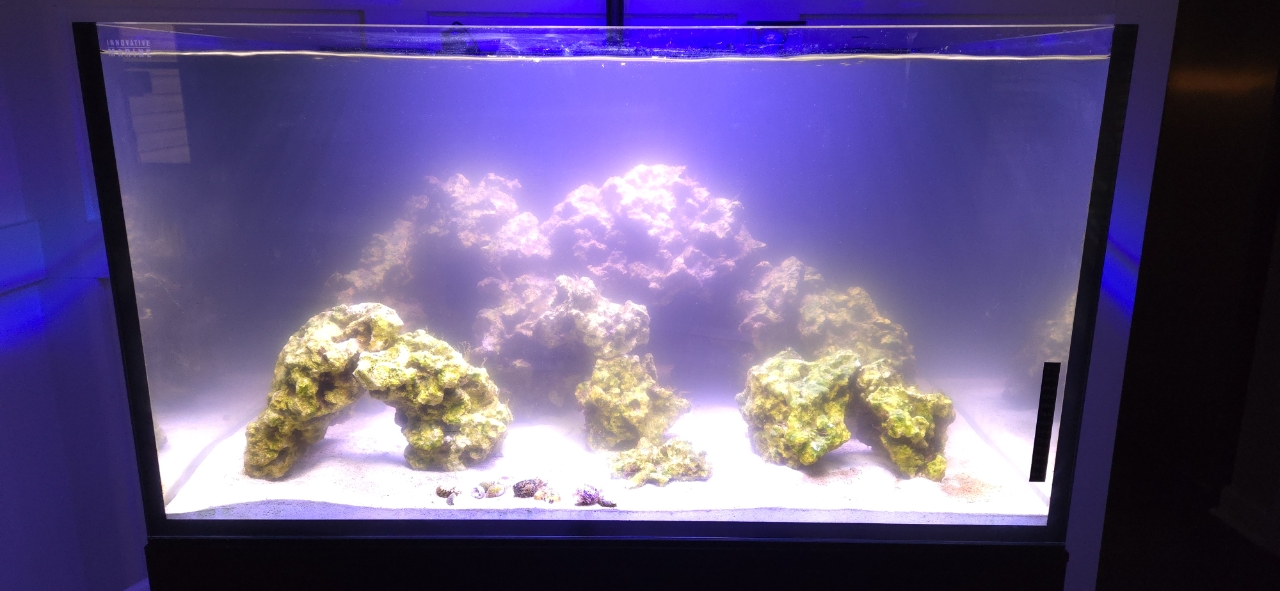
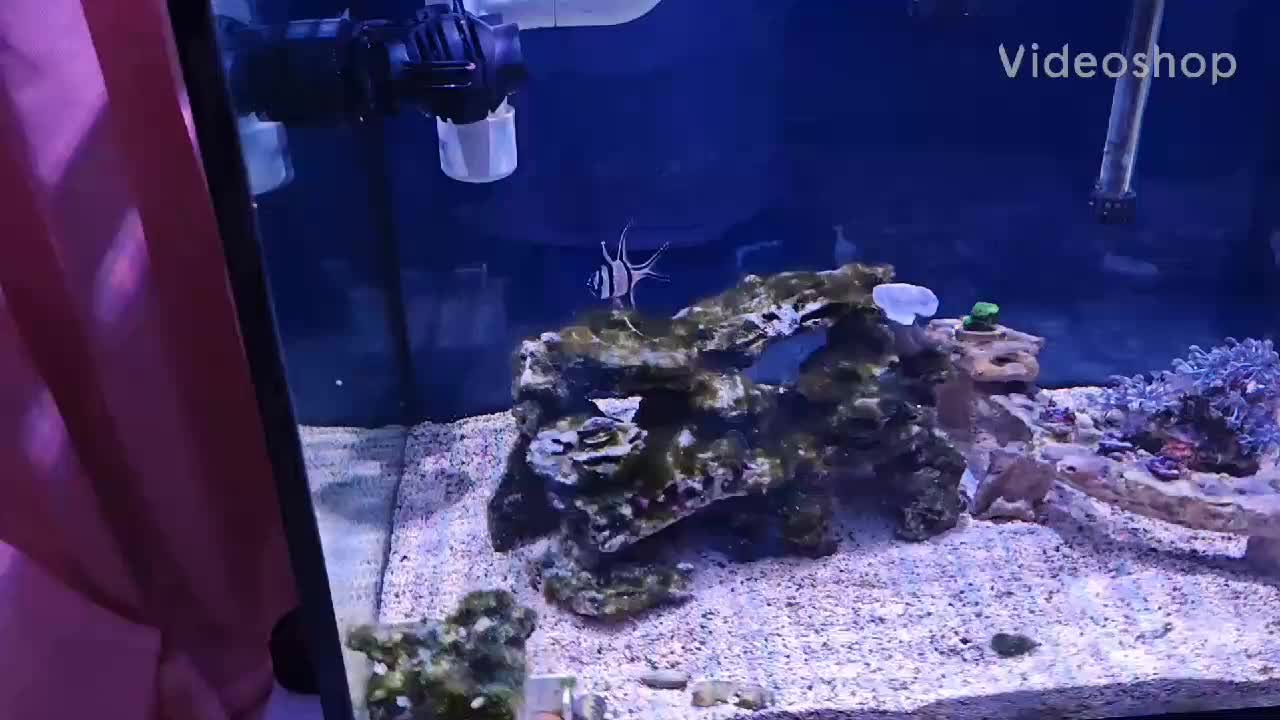
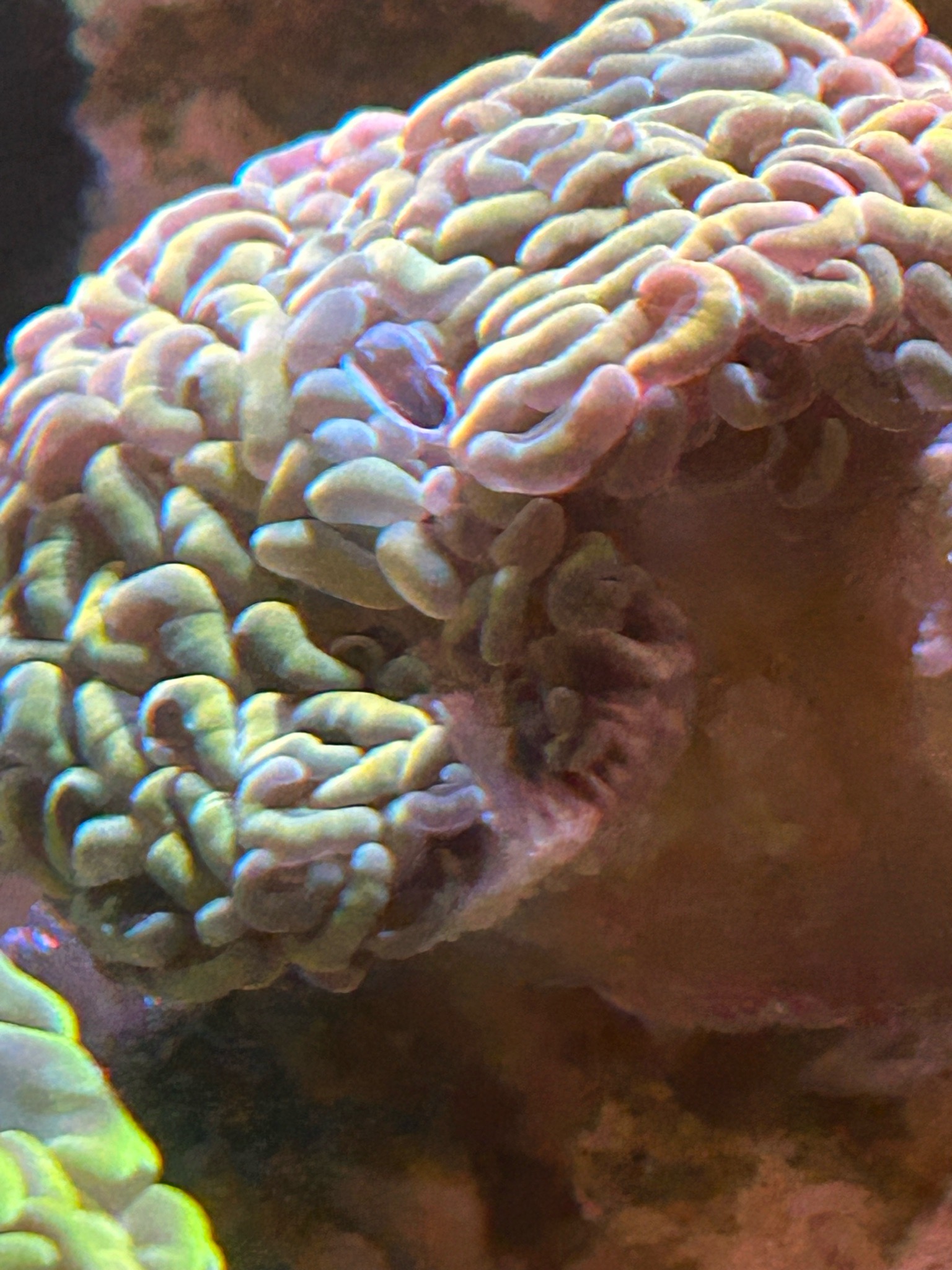
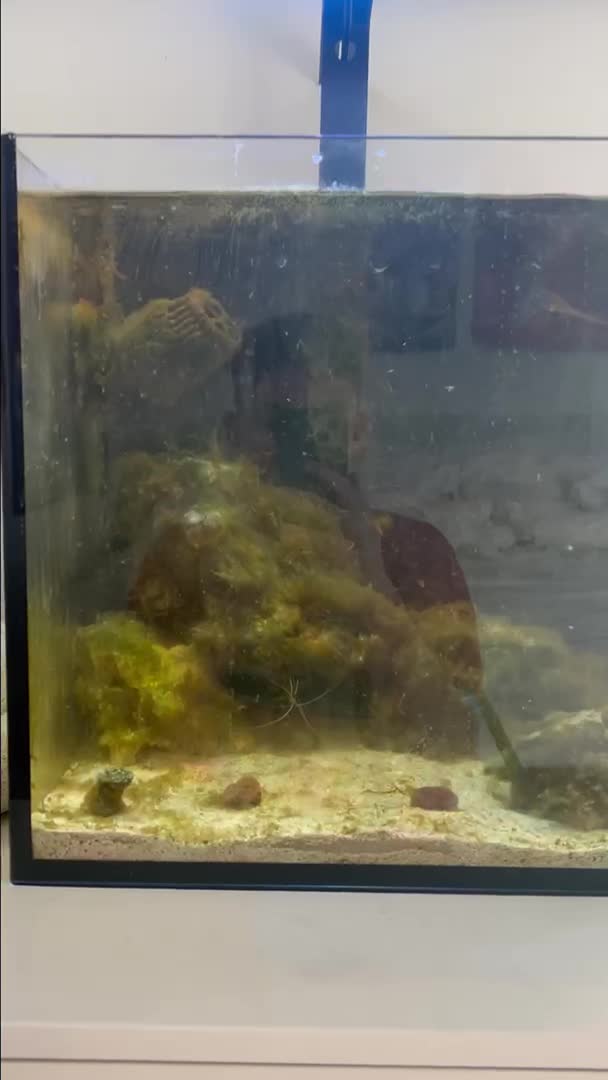
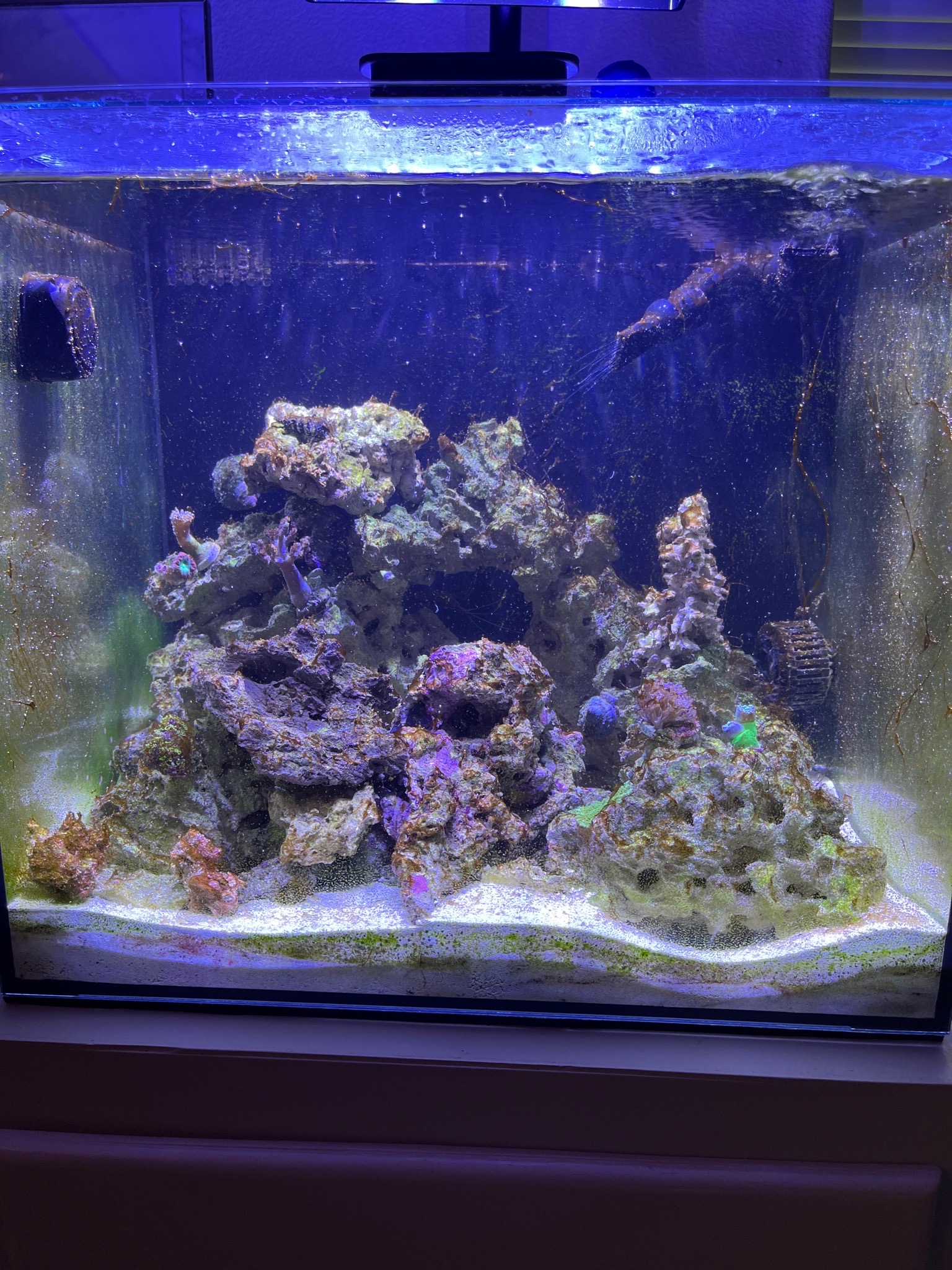
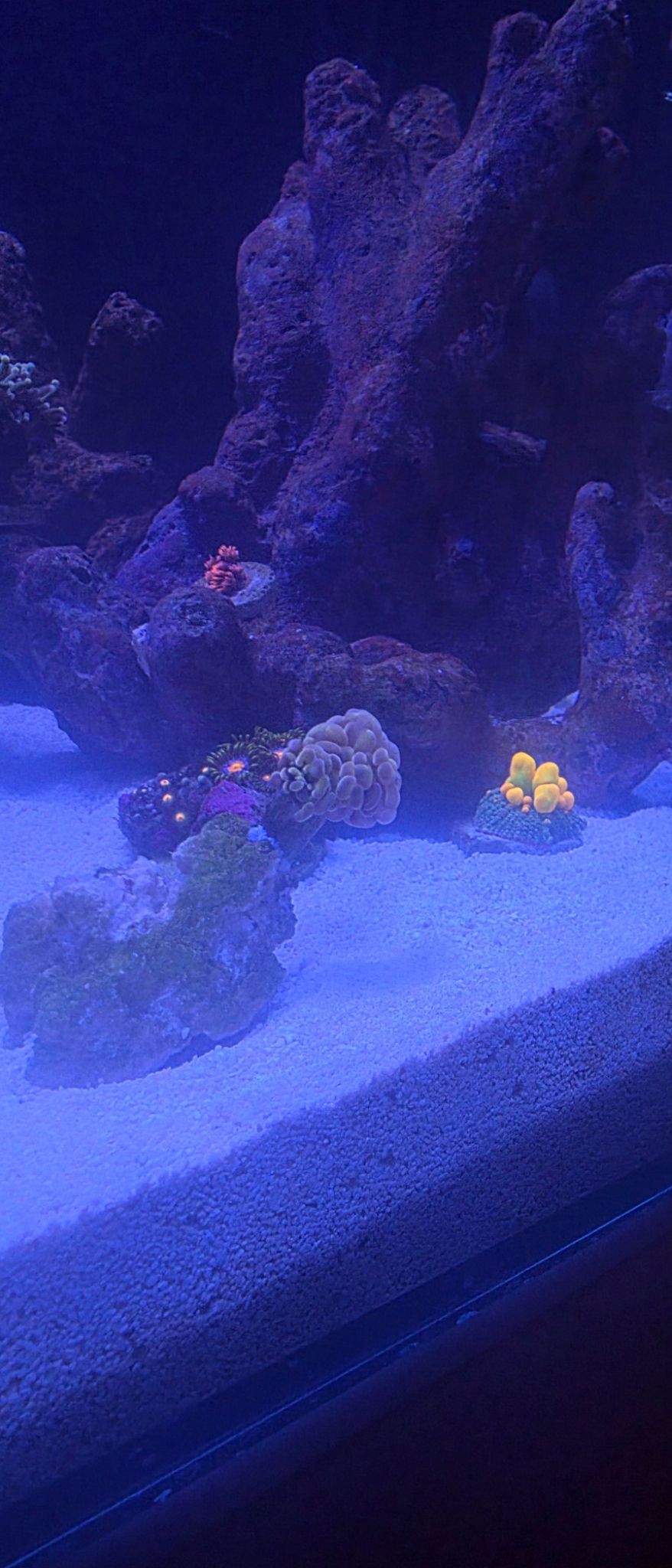



Trapped Shedding Mucus (Wax Sheen & Algae Build-Up): The Mechanism: Leather corals regularly contract and produce a waxy, glossy layer of mucus to slough off built-up waste, epiphytic algae, and detritus. The Issue: If water movement across the crown is too weak, the coral cannot cast this layer off. It remains glued to the tissue, suffocating the surface and allowing opportunistic microalgae (the visible green patches) to take hold. While locked in a shed cycle, the coral cannot extend polyps to feed or photosynthesize efficiently, halting growth. Allelopathy and Sweeper Contact: The proximity of the neighboring Euphyllia tentacles triggers defensive retraction. Leather corals will refuse to expand when irritated by nematocysts or encroaching sweeper tentacles. Nutrient / Iodine Demand: Soft corals like Sarcophyton consume trace elements (particularly dissolved organics and iodine) during shedding and tissue expansion. Zero-nutrient (ultra-low nutrient) systems often lead to extended sulking. Immediate Action Steps 1. Baste the Surface: Use a turkey baster to gently puff water directly across the crown to help lift the peeling film and green algae layer without tearing live tissue. 2. Increase Flow Immediately: Adjust the nearest powerhead or relocate the coral into an area with stronger, multi-directional flow so the surface tissue visibly ripples. 3. Ensure 6" Clearance: Move the coral away from the Euphyllia to eliminate stinging and chemical stress. 4. Inspect Water Chemistry: Confirm specific gravity is stable at 1.025–1.026 and nitrates sit comfortably between 5–15 ppm to support soft coral tissue expansion.
100%!!!!
Thank you so much!! I’ll follow your advice!! 🙂↕️✌️