Copperband Butterflyfish Care Guide: Tank Size, Diet, Aiptasia & Tankmates
Copperband Butterflyfish care made simple: how big a tank it needs, how to get it eating, whether it really eats Aiptasia, and which fish make safe tankmates.
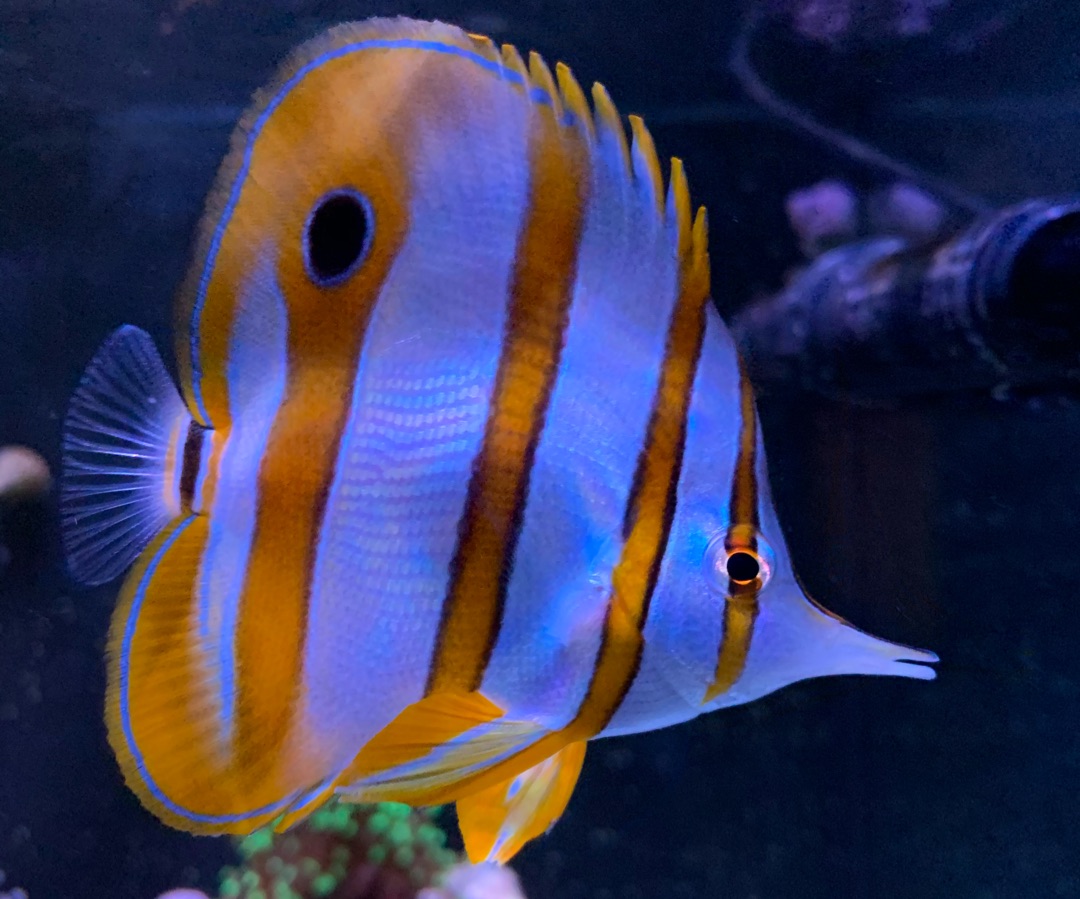
The Copperband Butterflyfish (Chelmon rostratus) is a tall, flat fish with copper-orange stripes and a long, thin snout. Many people buy one to eat Aiptasia, a pest anemone, but it is a picky eater that needs a big, mature tank.
Quick facts
- Tank size: 120 gallons or more, with lots of live rock
- Diet: meaty foods like frozen mysis shrimp, clams, and live blackworms
- Reef safe: with caution; it may nip feather dusters, clams, and some soft corals
- Difficulty: hard, mostly because of feeding
- Temperament: peaceful and a bit shy
- Adult size: up to about 8 inches
How to spot one
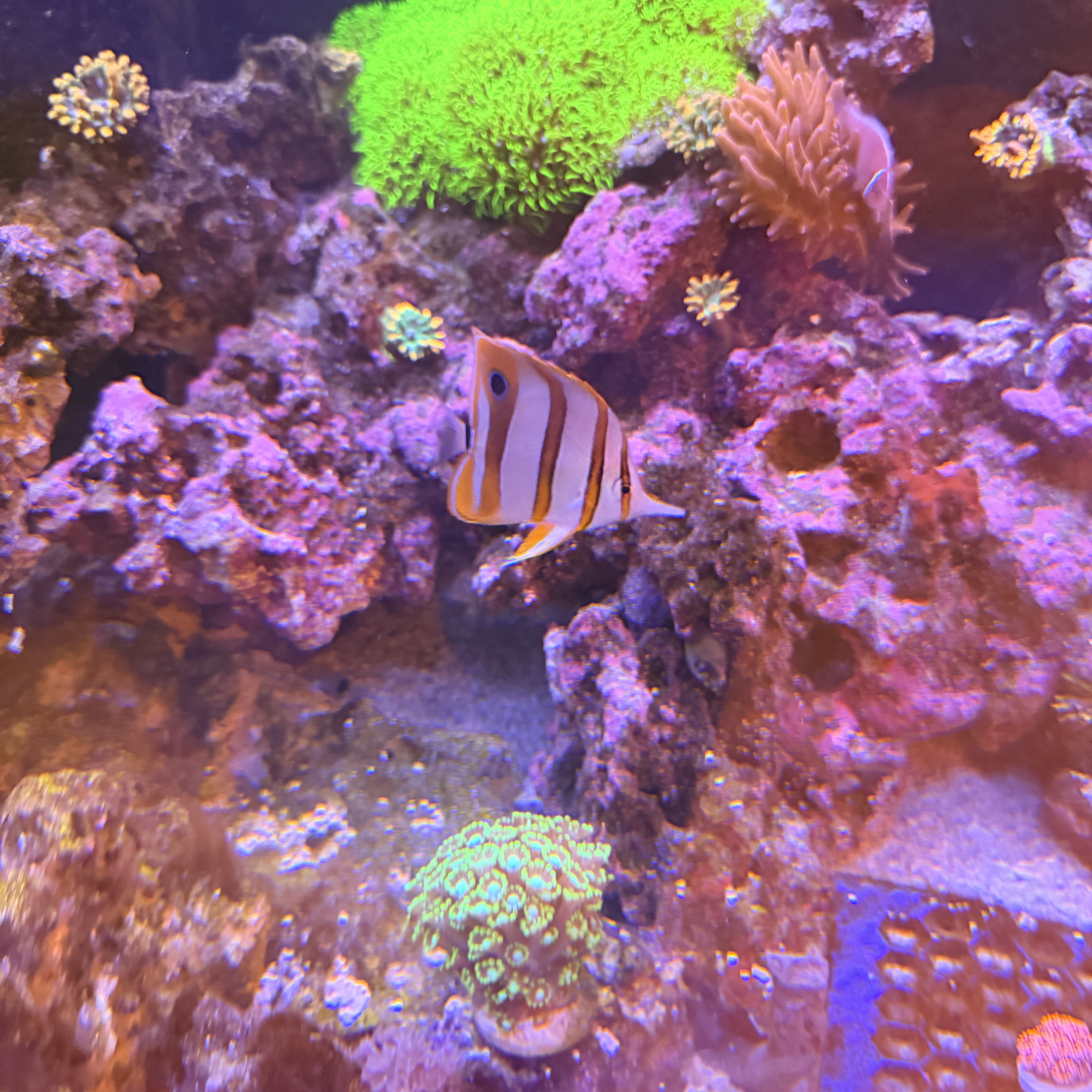
Look for a silver-white body with four orange bars edged in black. Its long snout works like tweezers to pull food out of cracks in the rock.
Near the tail there is a black "fake eye" spot. It helps confuse predators about which way the fish is facing.
Will it eat my Aiptasia?
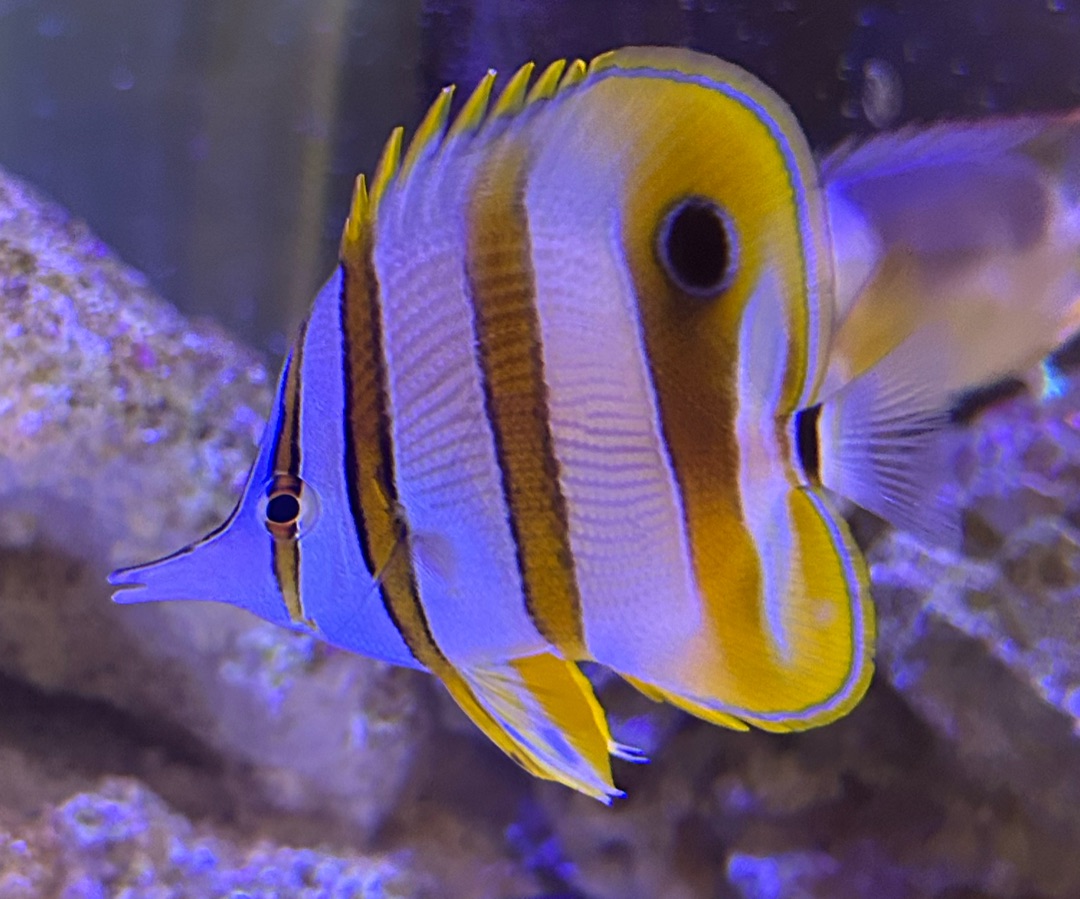
Often, but not always. Some Copperbands clear out Aiptasia in a few weeks. Others ignore it completely.
- Don't count on it: treat pest control as a bonus, not a promise
- Keep feeding it: a hungry fish is more likely to eat pests, but a starving fish gets sick
- Watch your other pets: some also pick at feather dusters, tube worms, and clams
Need a backup plan? Our reef pest control guide covers other ways to get rid of Aiptasia.
Feeding: the hardest part
Most Copperband losses come from the fish not eating. Pick a healthy one and start it on food right away.
- Before you buy: ask the seller to show you the fish eating frozen food
- Good first foods: live blackworms, fresh chopped clam, or frozen mysis
- Feed small and often: 2 to 3 small meals a day works best
- Use a feeder: a small dish or clam shell on the rocks keeps food away from faster fish
Watch its body. A full, round shape is good. A thin back or sunken belly means it needs more food.
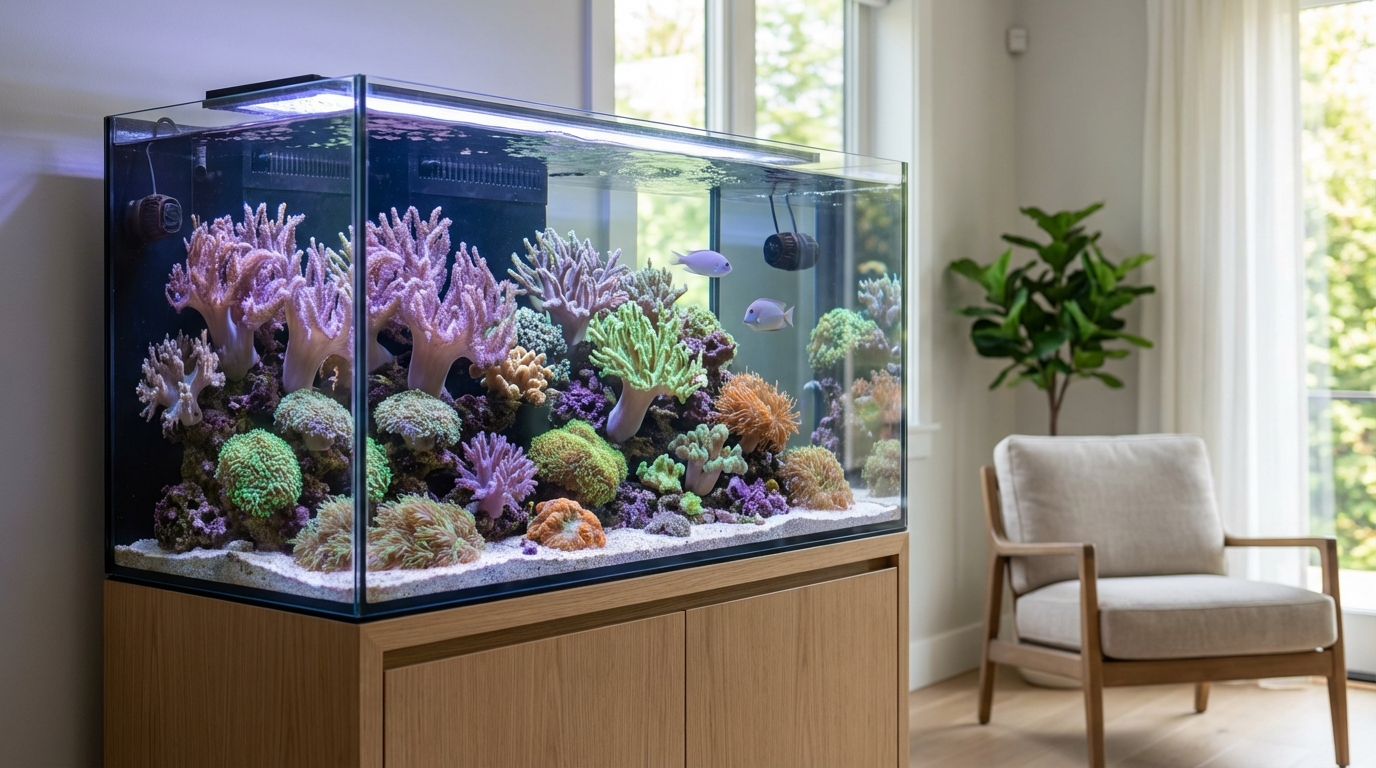
Tank setup
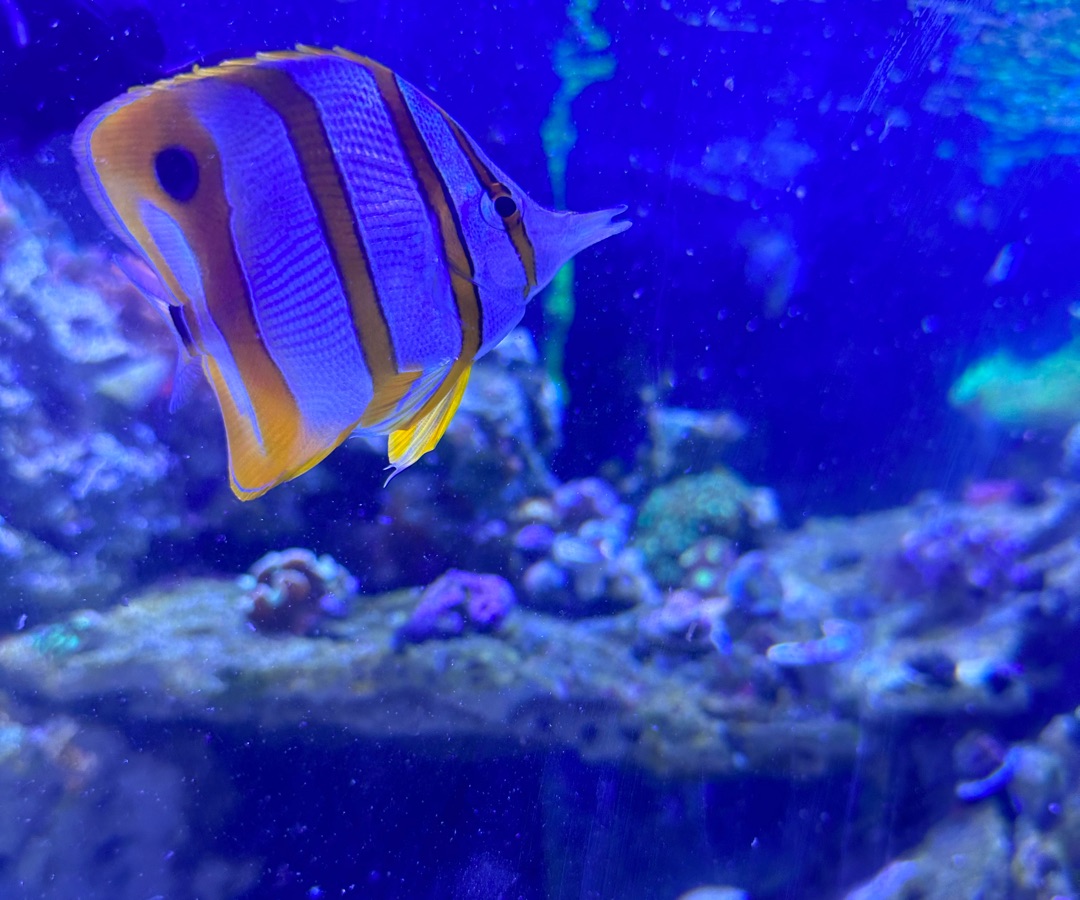
This fish grows big and likes to cruise around rock work looking for food.
- Size: 120 gallons is the minimum for an adult
- Mature tank: add it to a tank that has run for at least 6 months, so the rocks have tiny critters to pick at
- Rock work: lots of caves and ledges to explore and hide in
- Stable water: keep temperature and salinity steady; sudden changes stress it
Tankmates
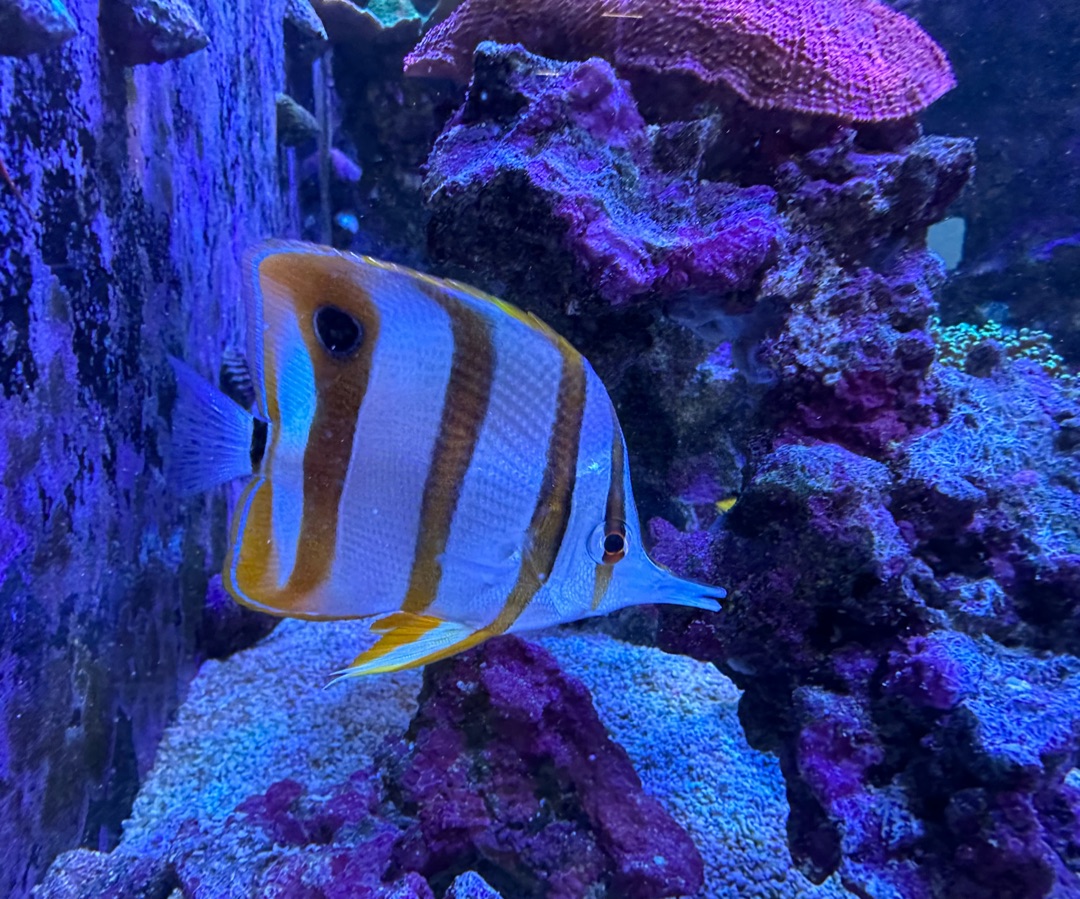
A Copperband is gentle and easy to push around, so it needs calm neighbors.
- Good mates: clownfish, gobies, cardinalfish, royal grammas, and peaceful tangs
- Avoid: bossy fish like large angelfish, triggerfish, and dottybacks that bully or steal food
- Keep one: two Copperbands usually fight unless they are a true pair in a very large tank
- Add it early: it settles in better before pushy fish claim the tank
Health tips
- Quarantine first: butterflyfish can carry ich and other parasites. Our 30-day quarantine plan shows how
- Feed well in quarantine: there's nothing to graze on, so offer food several times a day
- Look for warning signs: white spots, fast breathing, or hiding all day
FAQ
Is a Copperband Butterflyfish good for beginners? Not really. Wait until you have a large, mature tank and some experience feeding picky fish.
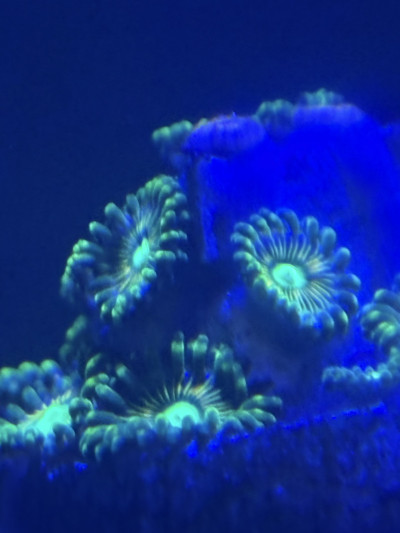
Will a Copperband eat my corals? Most leave stony corals alone, but some pick at soft corals, zoanthids, feather dusters, and clams. Watch it closely at first.
How long does a Copperband live? A well-fed fish can live for many years in a home aquarium. Good food and a stable tank are the keys.
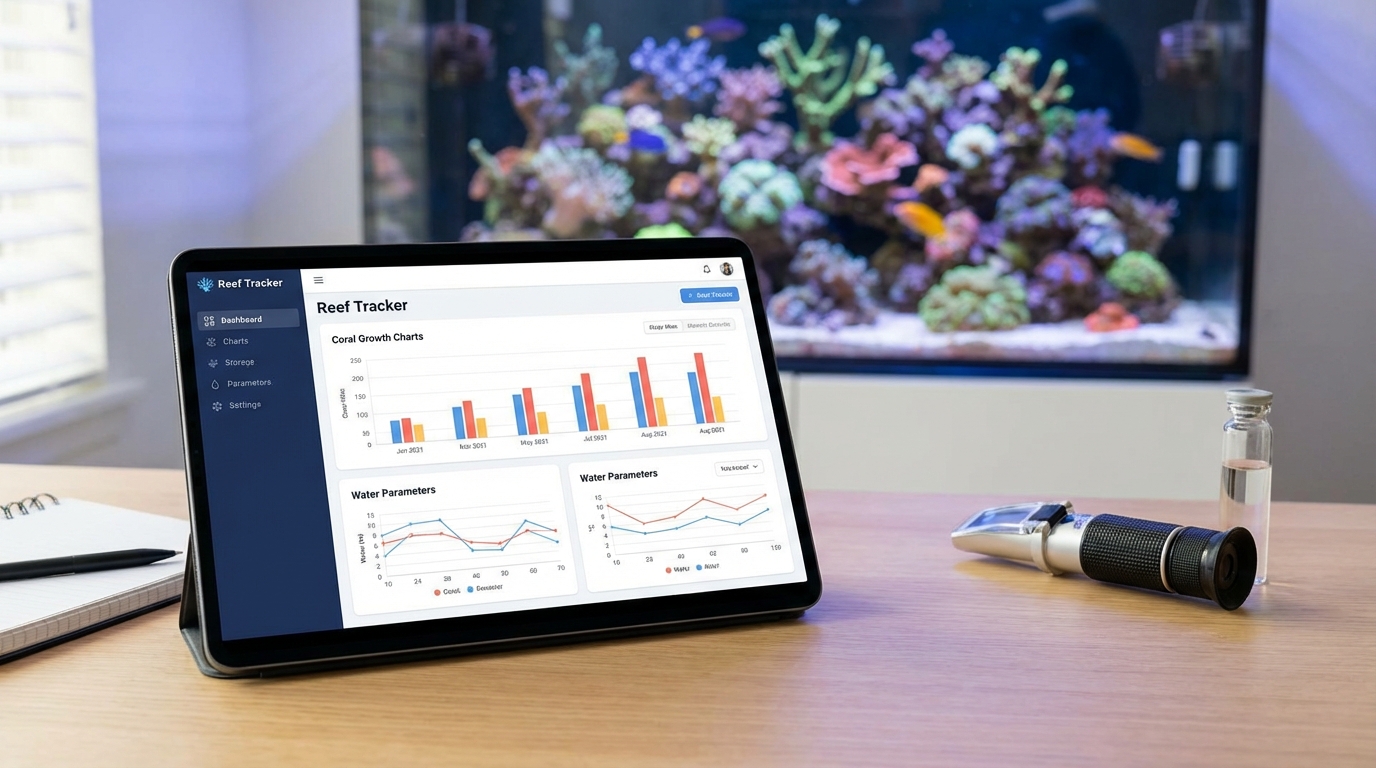
Thinking about adding one? Browse livestock and gear in the ReefBay shop, then track feedings and water tests in the ReefBay app.