Longnose Hawkfish Care Guide: Tank Size, Diet, Reef Safety & Tankmates
Longnose Hawkfish care made simple: how big a tank it needs, what to feed, whether it is reef safe with shrimp, which tankmates work, and why it needs a lid.
The Longnose Hawkfish (Oxycirrhites typus) is a small, slim fish with a red checkerboard pattern and a long, pointy snout. It is hardy and full of personality, but it will eat small shrimp, so plan your tank around it.
Quick facts
- Tank size: 30 gallons or more
- Diet: meaty foods like frozen mysis shrimp, brine shrimp, and krill
- Reef safe: with caution; safe with corals, risky with small shrimp
- Difficulty: easy
- Temperament: semi-aggressive; keep one per tank
- Adult size: about 5 inches
How to spot one
Look for a thin white body covered in a grid of red lines, like a plaid shirt. The long snout works like tweezers to grab food.
It has no swim bladder, so it does not float in open water. Instead it sits on rocks or corals, watches, and then darts out to catch food.
In the wild it lives on sea fans and black corals in the Indian and Pacific Oceans.

Is it reef safe?
Mostly yes. It leaves corals, clams, and snails alone. The problem is small moving animals it can fit in its mouth.
- At risk: small shrimp like sexy shrimp, small peppermint shrimp, and baby cleaner shrimp
- Usually OK: large adult cleaner shrimp, snails, hermit crabs, and corals
- Tiny fish: very small gobies and fish fry may get eaten
Want more on the shrimp question? Our Flame Hawkfish guide covers the same hawkfish habits.
Tank setup
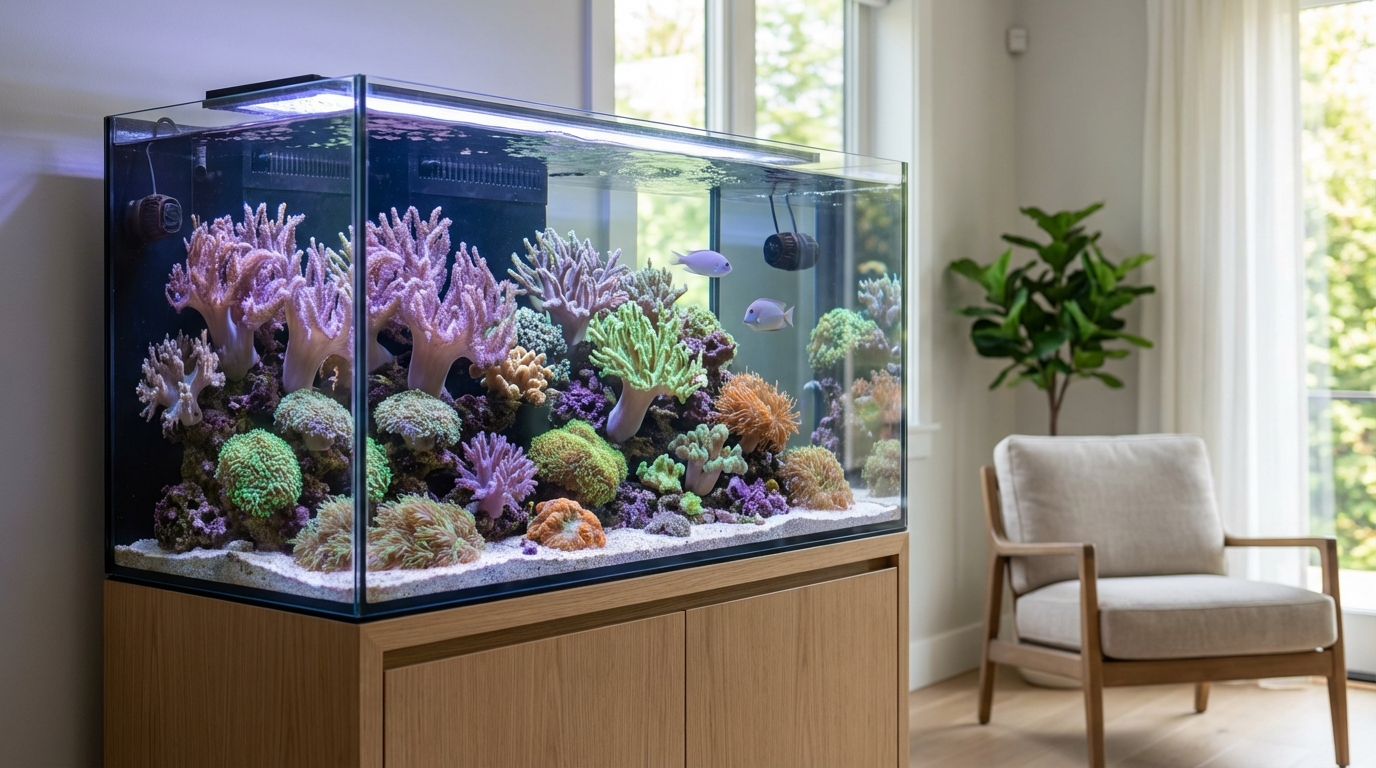
This fish is small, but it likes height and good lookout spots.
- Size: 30 gallons is a good minimum
- Perches: tall rock work, branching corals, or a sea fan to sit on
- Lid: a tight lid or mesh cover is a must, because hawkfish jump
- Water: 74–78°F and steady salinity, like most reef fish

Photo: Brian Gratwicke, Wikimedia Commons, CC BY 2.0 — a Longnose Hawkfish on a sea fan
Feeding
Longnose Hawkfish are not picky. Most eat frozen food within a day or two.
- Best foods: frozen mysis, brine shrimp, chopped krill, and meaty pellets
- How often: 1 to 2 small meals a day
- Tip: let food drift past its perch; it likes to snap food from the current

Tankmates
It gets along with most fish that are too big to eat and not bossy enough to bully it.
- Good mates: clownfish, tangs, royal grammas, chromis, and larger blennies
- Avoid: other hawkfish, tiny gobies, and small ornamental shrimp
- Watch out: big, aggressive fish like large triggers may pick on it
Buying tips
A healthy Longnose Hawkfish should look alert and sit up on its fins, not lie flat on the bottom.
- Ask to see it eat: a good one grabs frozen food right away
- Check the body: clear eyes, clean fins, and a full belly
- Skip if: you see torn fins, white spots, or heavy breathing
- Add it later: put it in after your peaceful fish settle, so it does not claim the whole tank
Health tips
- Quarantine first: it is hardy, but it can still carry ich. Our 30-day quarantine plan shows how
- Look for warning signs: white spots, fast breathing, or not eating
- Keep water clean: regular water changes keep stress low and color bright
FAQ
Is a Longnose Hawkfish good for beginners? Yes. It is hardy and eats well, as long as you skip small shrimp and use a lid.
Will it eat my cleaner shrimp? A large adult cleaner shrimp is usually safe. Small or newly molted shrimp are at risk.
Can I keep two Longnose Hawkfish? It is best to keep just one. Two often fight unless they are a true pair in a big tank.
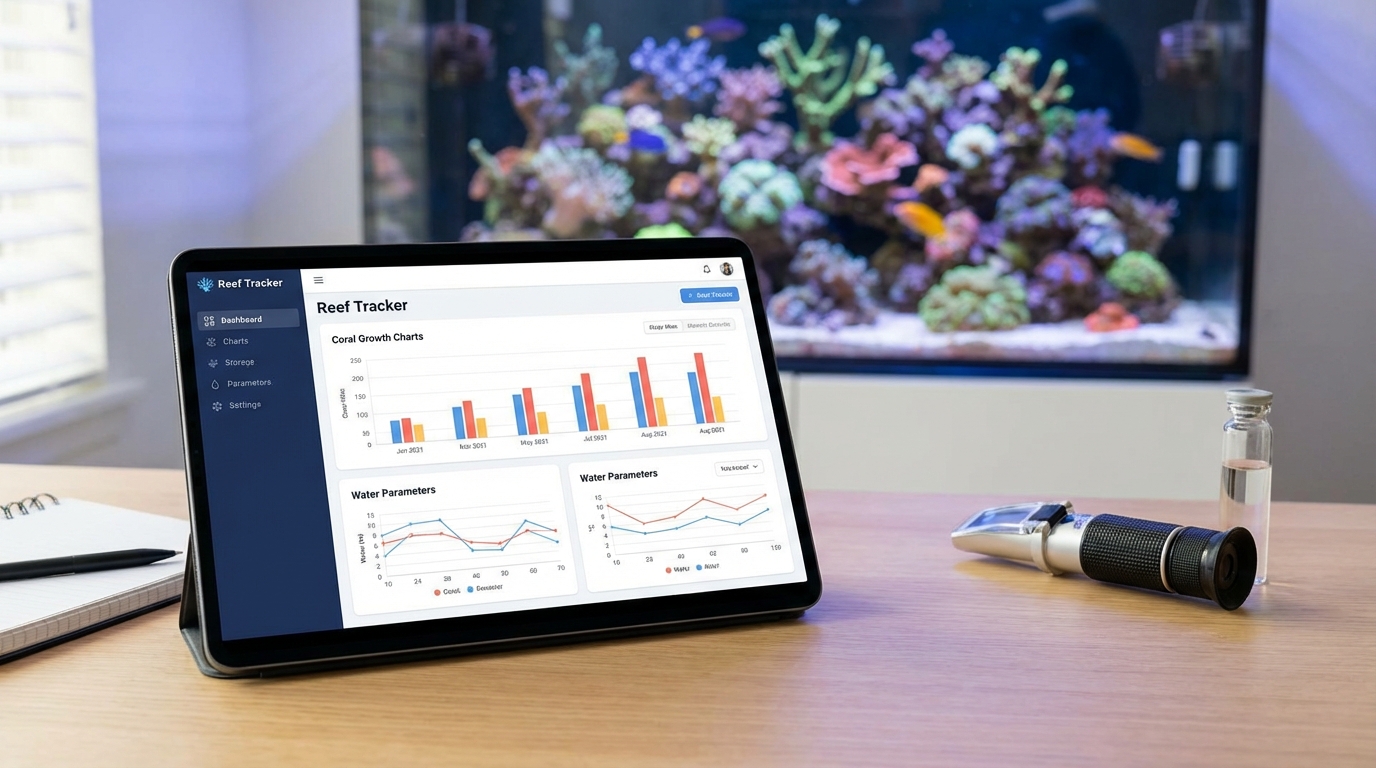
Ready to add one? Browse livestock and gear in the ReefBay shop, then track feedings and water tests in the ReefBay app.