Yasha Goby Care Guide: Tank Size, Diet & Pistol Shrimp Pairing
Learn Yasha Goby (Stonogobiops yasha) care: 10–20+ gallon sand-bed setup, meaty zooplankton diet, Randall's pistol shrimp pairing, jump-proof lids, peaceful tankmates, and a ReefBay buying checklist.
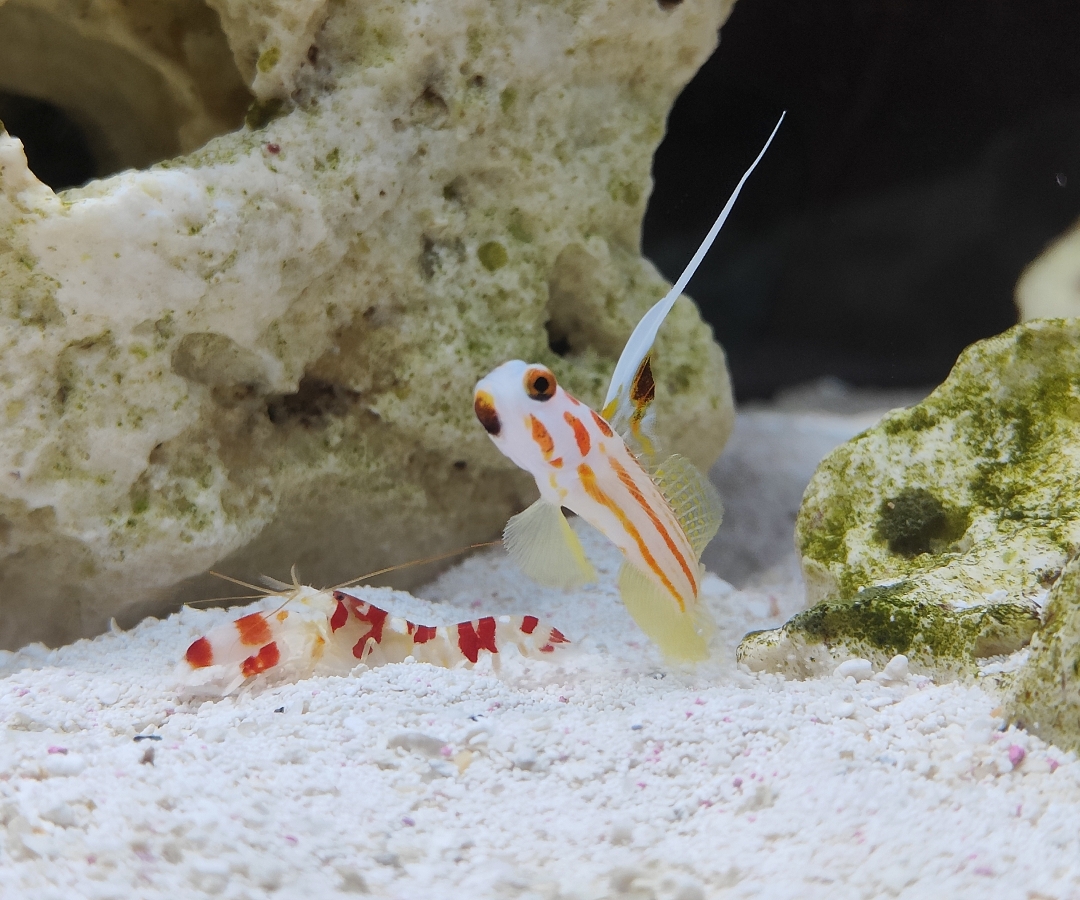
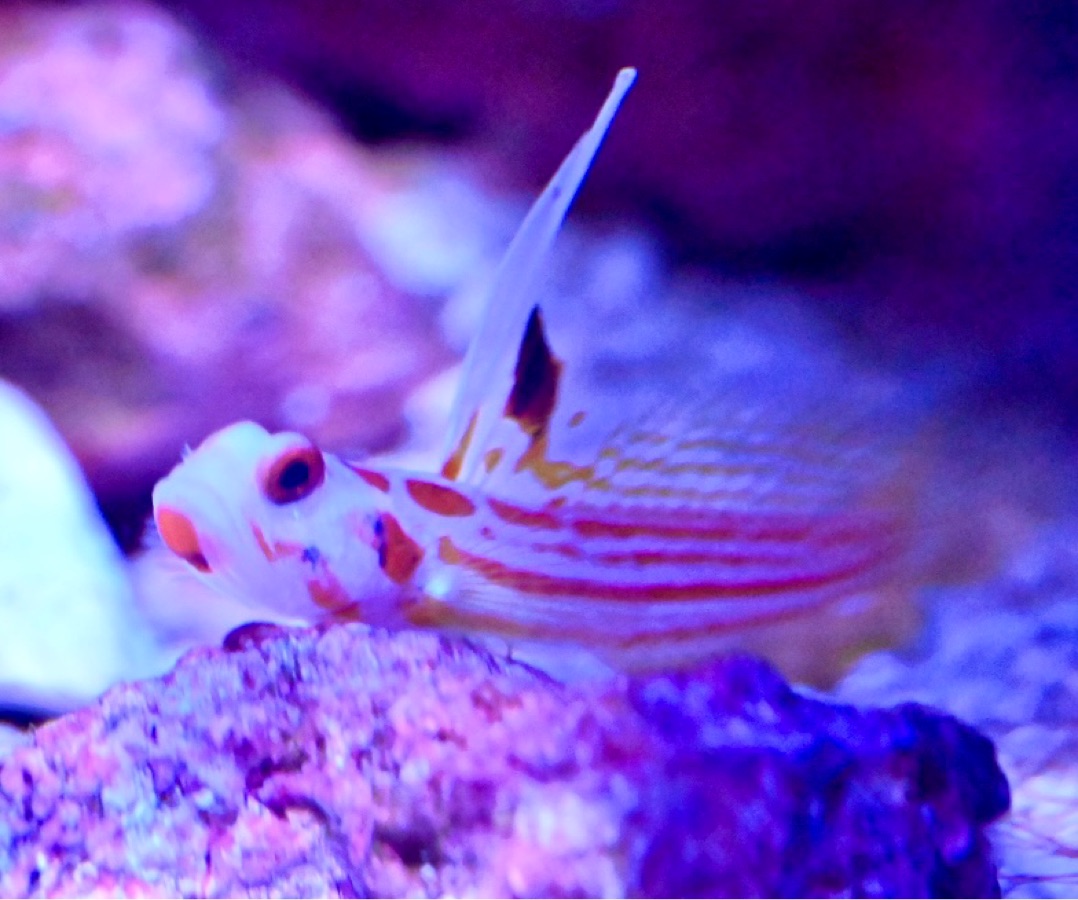
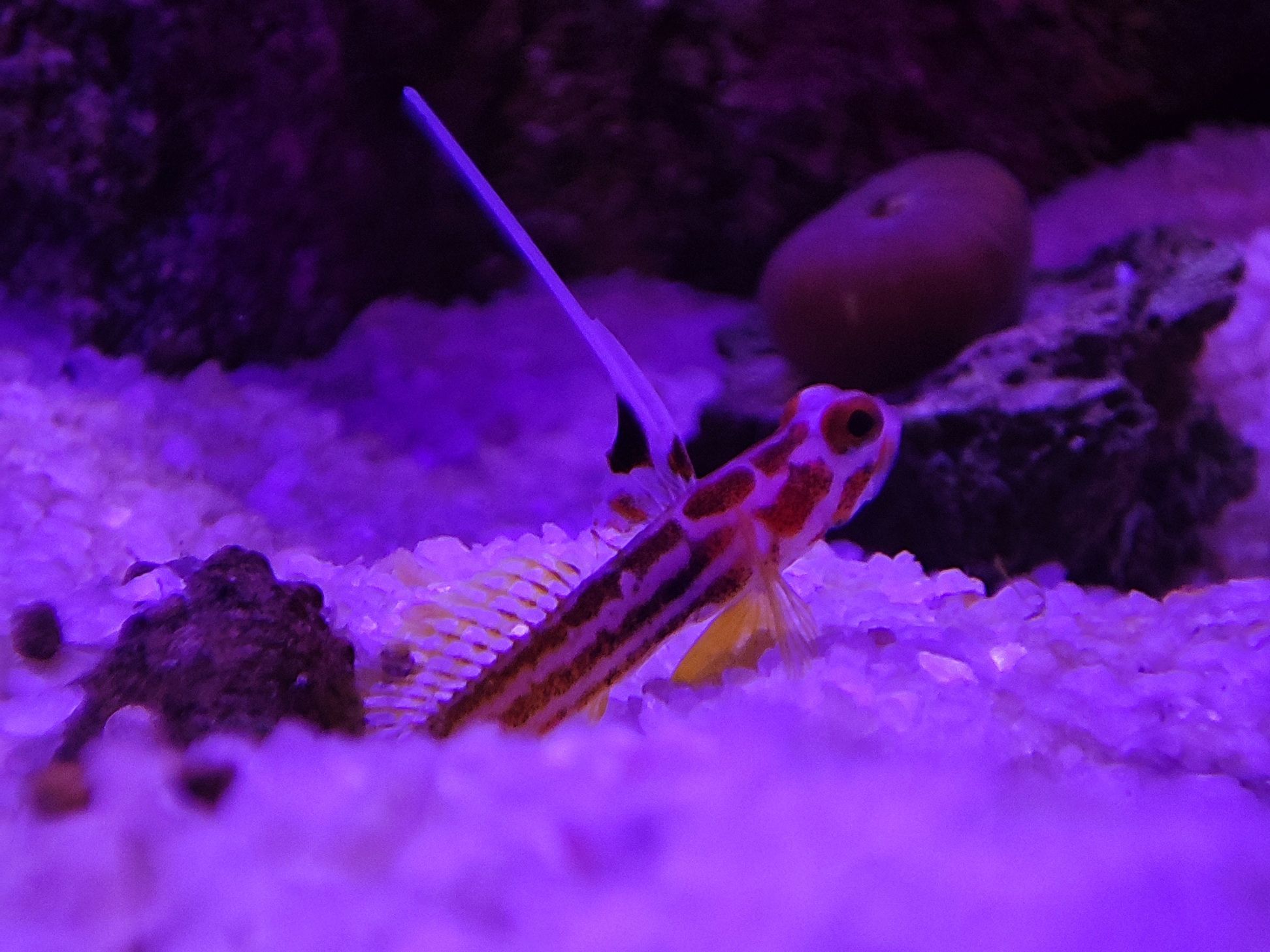
The Yasha Goby (Stonogobiops yasha), also sold as the Yasha Hase Goby, White Ray Shrimp Goby, or Orange-striped Shrimp Goby, is one of the most charming small fish you can add to a reef. It has a pearly white body crossed by diagonal orange-red stripes, red-ringed eyes, and a very long white first dorsal ray that sticks up like an antenna while it hovers over its burrow.
Its real appeal is behavior. Give a Yasha a fine sand bed and a Randall's pistol shrimp, and you get one of the best partnerships in the hobby: the shrimp digs and maintains the tunnel, and the goby stands guard at the entrance. This guide covers tank size, sand bed setup, diet, pistol shrimp pairing, tankmates, jump risk, and a buying checklist before you shop the ReefBay marketplace.
Quick care snapshot
- Scientific name: Stonogobiops yasha
- Also called: Yasha Hase Goby, White Ray Shrimp Goby, Yasha Shrimp Goby, Orange-striped Shrimpgoby
- Family: Gobiidae (shrimp gobies)
- Origin: Western Pacific (Japan to Indonesia and the Philippines), usually on sand and rubble slopes
- Max size: about 2–2.5 inches
- Care level: easy once settled. Shy at first, and needs calm tankmates and steady small feedings
- Temperament: very peaceful. May squabble with another Yasha or a similar shrimp goby unless they are a pair
- Reef-safe: yes. Safe with corals, clams, snails, and ornamental shrimp
- Minimum tank: 10 gallons for a single fish. 20+ gallons gives a goby and shrimp pair more room and stability
- Diet: carnivore. Mysis, enriched brine, copepods, and small frozen meaty foods
- Social: single, or a compatible pair. Classic partner: Randall's pistol shrimp (Alpheus randalli)
- Jump risk: yes. Use a tight-fitting lid
Tank size and sand bed setup
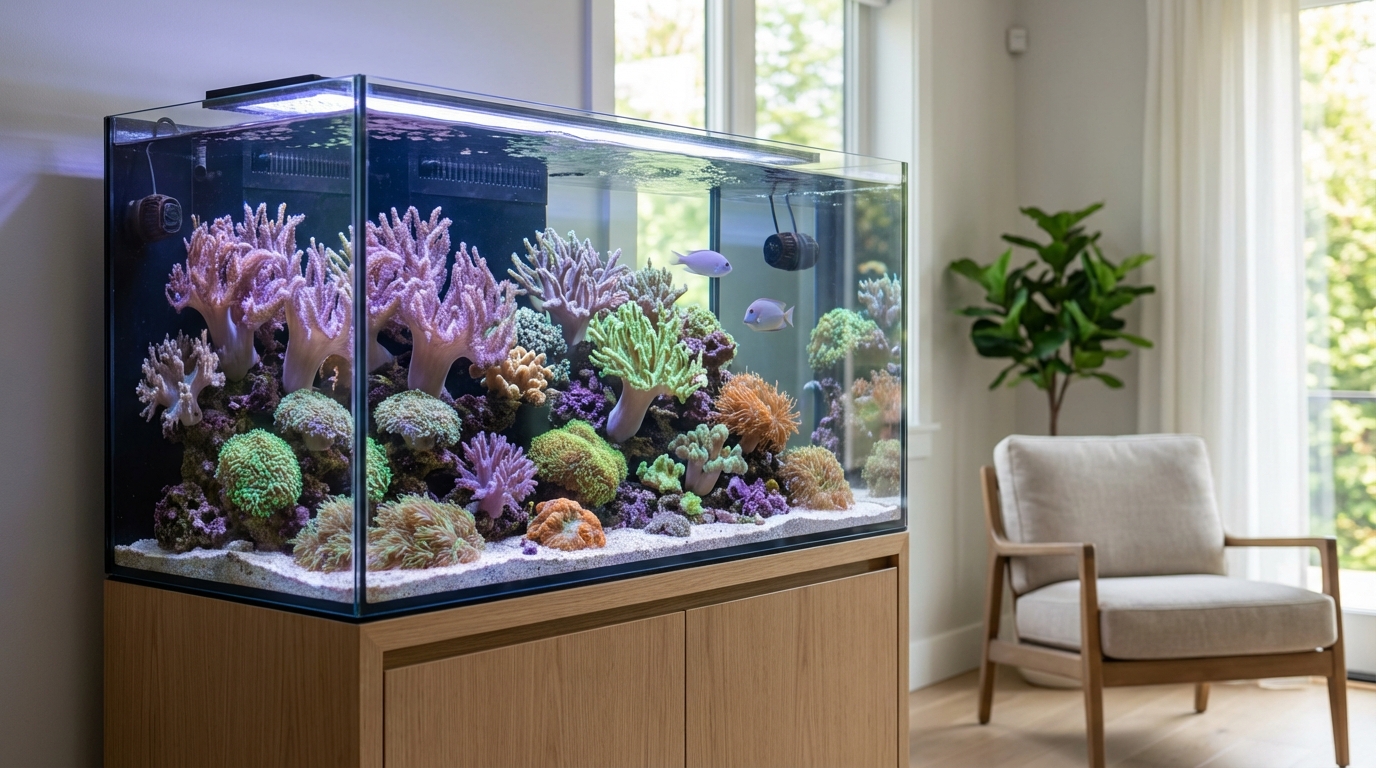
ReefBay lists a 10-gallon minimum, and a Yasha really can live well in a quiet nano. It doesn't swim laps. It spends the day hovering an inch or two above its burrow. Still, a 20-gallon or larger reef is easier to keep stable, gives you more tankmate options, and leaves room for a pistol shrimp to build a proper tunnel system. Setup matters more than gallons:
- Sand depth: at least 2 inches of fine to medium aragonite, ideally mixed with some coral rubble and small shell pieces the shrimp can use to brace its tunnel
- Rock on the glass, not on the sand. A pistol shrimp will dig under anything. Set your main rockwork on the bottom glass or on a stand, then add sand around it so a busy shrimp can't undermine a rock pile
- Open sand frontage: leave a visible sandy patch near a rock edge where the pair can set up a burrow you can actually see
- Gentle to moderate flow: enough to carry food past the burrow without sandblasting the entrance
- Seal every gap: mesh lids, covered overflows, and closed cable holes. Shrimp gobies are proven jumpers
Water parameters
Yasha Gobies don't need a special chemistry recipe, but like most small reef fish they handle stable conditions far better than swings. Aim for typical reef numbers:
- Temperature: 74–79°F (23–26°C)
- Salinity: 1.024–1.026 specific gravity
- pH: 8.1–8.4
- Alkalinity: 7–11 dKH, held steady
- Ammonia and nitrite: 0 ppm
- Nitrate: low to moderate (about 2–20 ppm)
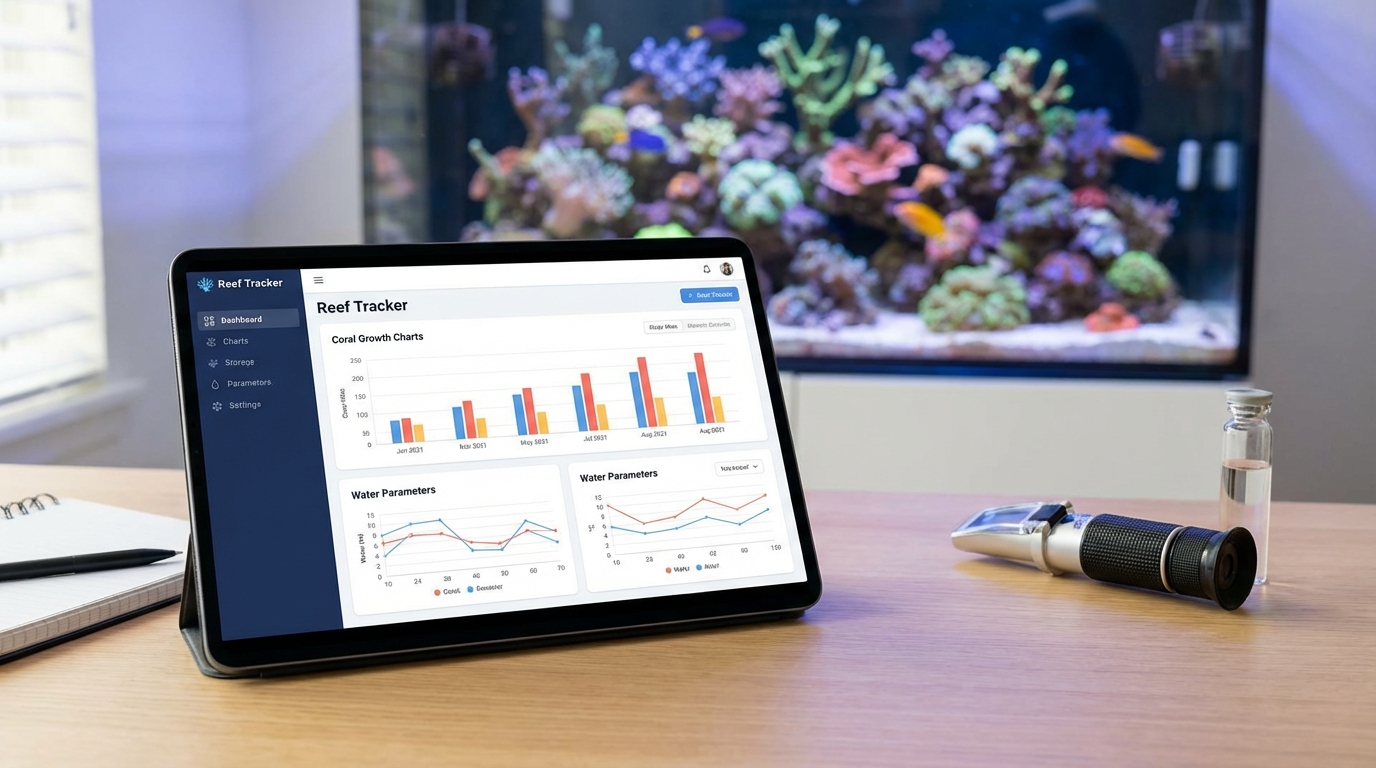
Pistol shrimp are invertebrates, so they are even less forgiving of copper, big salinity jumps, and rushed acclimation. Drip acclimate both animals. If you're still learning your test kits, start with our reef tank water parameters guide for beginners, and log results in the ReefBay app so you can spot drift early.
Diet and feeding
In the wild, the Yasha picks zooplankton and tiny crustaceans out of the water just above its burrow. In the aquarium it usually takes frozen foods once it settles, but it is a slow, careful feeder that stays close to home. It won't chase food across the tank, so food has to come to it.
- Staples: thawed mysis (chopped for small fish), enriched brine shrimp, cyclops and copepods, and other fine frozen meaty blends
- Pellets: many learn high-quality marine micro-pellets. Soak them and let the flow carry them past the burrow
- Frequency: two small feedings a day while it settles. Once a day is fine after it is plump and confident
- Target feed: a pipette or turkey baster aimed near the burrow keeps food away from faster midwater fish
- Feed the shrimp too: the goby often carries or drops food near the tunnel, and the pistol shrimp will grab bits that land at the entrance
A healthy Yasha has a gently rounded belly and holds its long dorsal ray upright. A pinched stomach, a folded fin, or a fish that stops coming out to feed usually means competition, stress, or not enough food.
Pistol shrimp pairing: how the partnership works
The reason most reefers buy a Yasha is its partnership with the Randall's pistol shrimp (Alpheus randalli), the red-and-white banded shrimp you'll usually see sold with it. The shrimp is nearly blind and keeps digging and clearing the burrow. The goby has sharp eyesight and keeps watch. The shrimp keeps an antenna on the goby, and when the goby flicks its tail or darts into the hole, the shrimp retreats too.
- Add both close together. Put them in at the same time or within a few days. Some pairs bond in hours, others take a couple of weeks
- Give them a starter cave. A small rock overhang or a piece of shell on the sand gives the shrimp an easy place to start a tunnel
- Expect landscaping. Sand will move, rubble will get rearranged, and small frags placed on the sand may get buried. Glue or mount frags on rock
- Listen for the snap. Pistol shrimp make a loud click. Randall's is small and reef-safe, but avoid larger, more aggressive Alpheus species
- No shrimp? It still works. A Yasha will live without a partner and take over a cave or rock crevice. You just miss the best part of the show
Behavior and tankmates
Yasha Gobies are among the most peaceful fish in the trade. They claim a burrow and a small patch of sand around it, and they rarely bother anything that isn't another bottom-dwelling goby trying to move in. The bigger risk is the other direction: bold or fast tankmates can scare a Yasha into hiding and steal its food.
- Good tankmates: clownfish, cardinalfish, firefish, small peaceful gobies that use different spots, chromis, and calm fairy or flasher wrasses in larger tanks
- Use caution: other shrimp gobies such as watchman gobies. They can work in larger tanks with enough sand frontage, but they may fight over burrows in a nano. Our Yellow Watchman Goby care guide covers the same goby-and-shrimp dynamic in a hardier species
- Avoid: dottybacks, large damsels, hawkfish, triggers, larger wrasses, and anything big enough to swallow a 2-inch goby or its shrimp
- Corals and inverts: fully reef-safe. Just keep frags off the open sand near the burrow
- Pairs: two Yasha Gobies can share a burrow, but mixing two random adults in a small tank often ends in chasing. Buy a known pair or keep one

Photo: Sushi Girl1995, CC BY-SA 3.0, via Wikimedia Commons
Jump risk and acclimation
Like many gobies and dartfish, a startled Yasha shoots straight up. Most losses happen in the first week, at night, or when lights suddenly switch on. Before it goes in:
- Fit a tight canopy or fine mesh screen lid and close cable gaps
- Keep lights dim on day one so it can find cover without panic flights
- Release it near rock and sand, not in open midwater
- Quarantine in a covered tank when you can. Our 30-day saltwater fish quarantine protocol is a solid template. Keep the shrimp out of any copper treatment
Common problems and quick fixes
- Hiding for days: normal at first. If it lasts past week two, look for a bully and target-feed near its spot
- Not pairing with the shrimp: give it time, add a small shell or rock "doorway" on the sand, and make sure no other goby has already taken the shrimp
- Rockwork shifting: the shrimp is undermining it. Rebuild so rocks sit on glass and are glued or pinned
- Thin or fading color: increase small feedings and use enriched frozen foods
- Found on the floor: a jump. Seal the lid before you add anything else
Buying checklist before you click purchase
- Confirm the tank has 2+ inches of fine sand with rubble and rock that sits on the glass
- Check the lid for gaps before the fish ships
- Look for clear eyes, an intact long dorsal ray, a rounded belly, and a fish that is already eating frozen food
- Decide on the shrimp now. Buying a Randall's pistol shrimp at the same time gives the best odds of a pairing
- Skip mixing it with another shrimp goby in a nano
- Stock mysis, enriched brine, and copepods before arrival
- Plan a calm, dim first few days and a covered quarantine if possible
Ready to add one? Open the Yasha Goby fish page on ReefBay for more community photos and marketplace listings. Browse the ReefBay marketplace for healthy, eating specimens and pistol shrimp from trusted sellers. Then track feedings and water tests in the ReefBay app, and share photos of your own goby and shrimp pair so the next reefer can see what a settled burrow looks like.