Red Scooter Dragonet Care Guide: Tank Size, Diet & Copepod Needs
Learn Red Scooter Dragonet (Synchiropus stellatus) care: 30+ gallon mature reef setup, copepod and refugium needs, weaning onto frozen foods, pod-competing tankmates, male vs. female pairs, and what to check before you buy one on ReefBay.
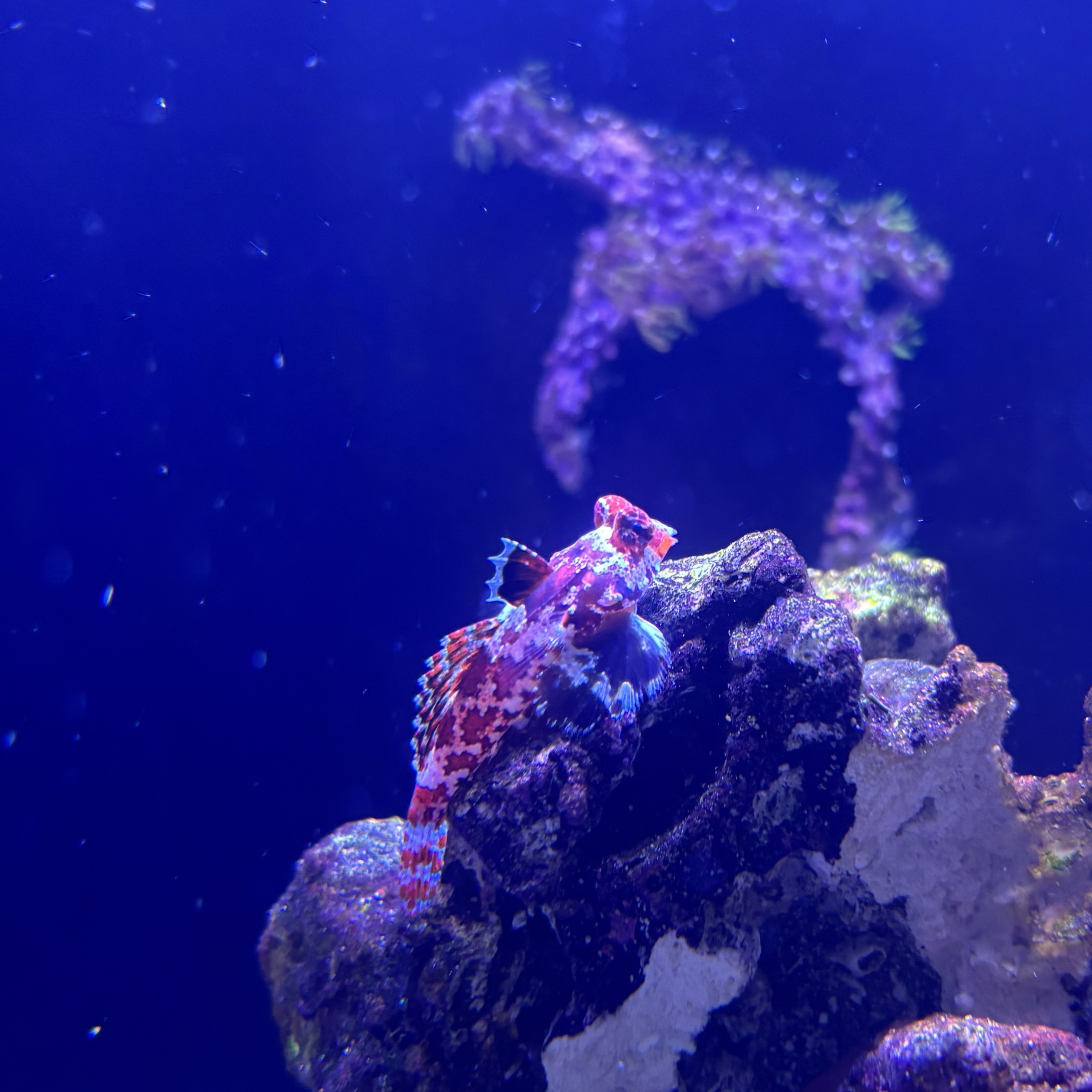
The Red Scooter Dragonet (Synchiropus stellatus) is one of the most charming bottom dwellers you can add to a reef tank. It hops and "scoots" across rock and sand on oversized fins, stopping every few seconds to pick a copepod off the surface, and males flash a tall, sail-like dorsal fin when they display. It stays small, ignores corals and invertebrates completely, and is often sold as the easier cousin of the mandarin dragonet.
That reputation is only half true. A scooter dragonet is peaceful and reef-safe, but it is a specialized micro-predator, and most losses come down to one thing: it starves in a tank that does not have enough live food. This guide covers tank size, the copepod question, how to wean one onto frozen food, tankmates, male vs. female, and a checklist to use before you buy one on the ReefBay marketplace.
Quick care snapshot
- Scientific name: Synchiropus stellatus
- Also called: Red Scooter, Starry Dragonet, Stellate Dragonet, Red Scooter Blenny (it is a dragonet, not a blenny)
- Family: Callionymidae (dragonets)
- Origin: Indian Ocean, from East Africa to Sumatra
- Max size: about 2.5–3 inches
- Care level: moderate to difficult, depending almost entirely on food supply
- Temperament: peaceful; males may spar with other male dragonets
- Reef-safe: yes. Safe with corals, shrimp, snails, and clean-up crews
- Minimum tank: 30 gallons of mature reef with plenty of live rock and sand
- Diet: carnivore. Live copepods and amphipods; some individuals learn to eat frozen mysis and brine
- Social: single fish or a male–female pair
Tank size and setup
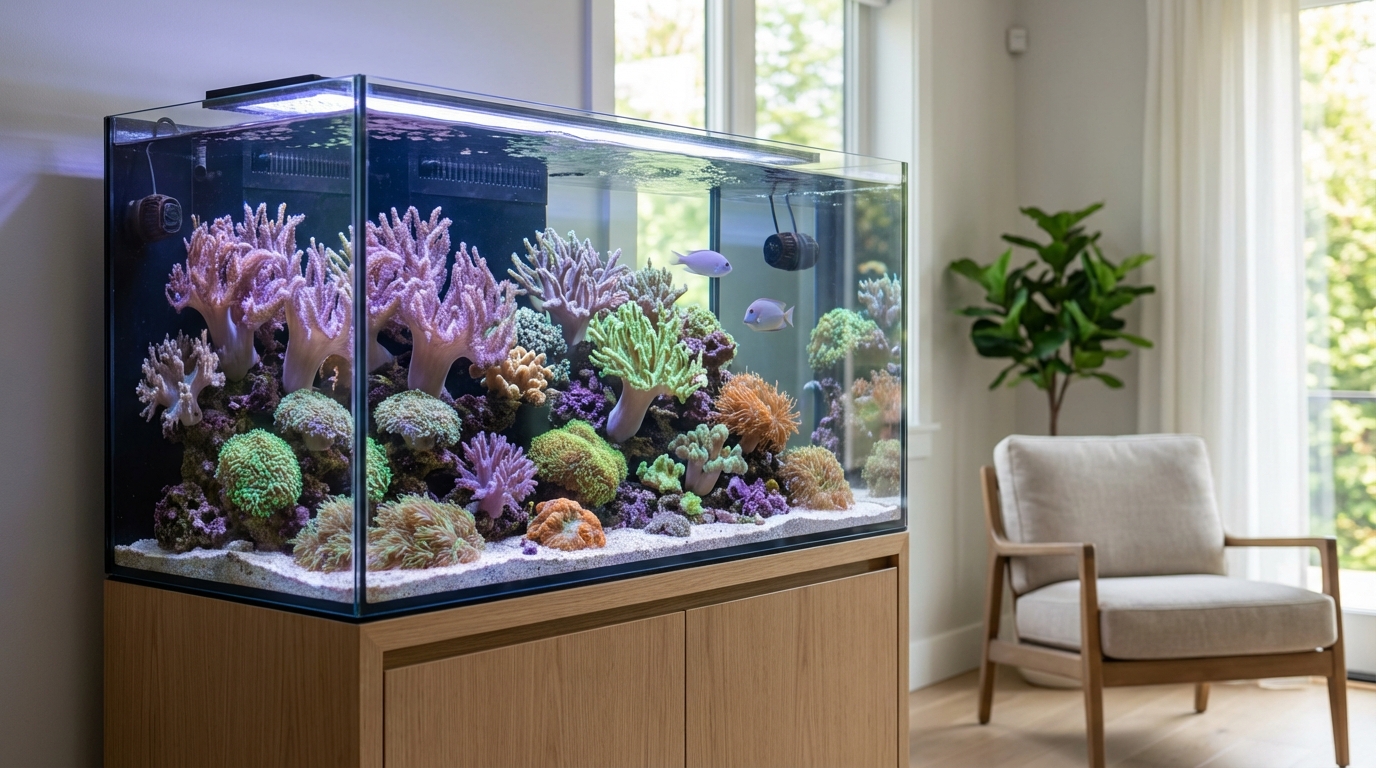
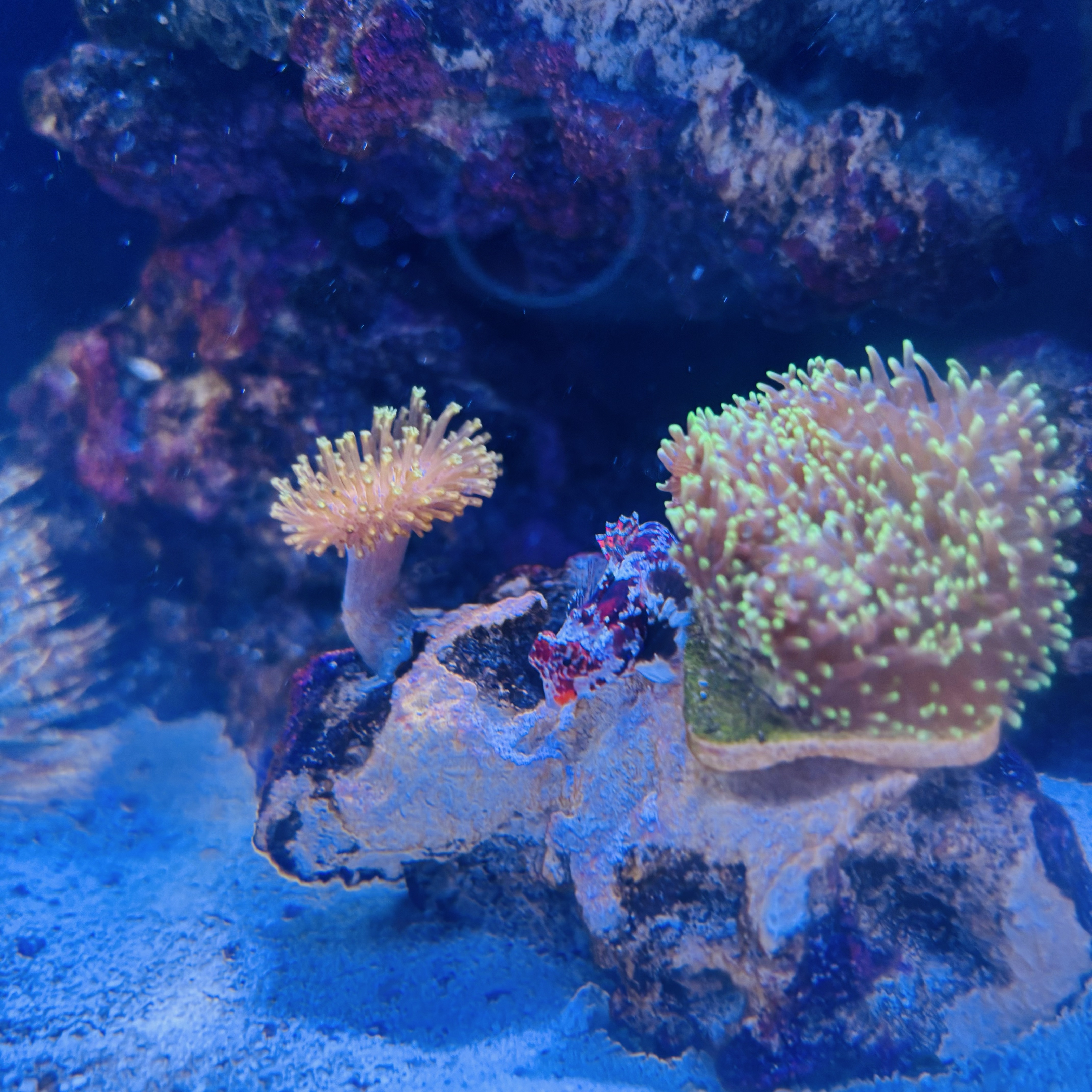
ReefBay lists a 30-gallon minimum for this species, and the reason is food, not swimming room. A scooter dragonet spends the whole day hunting tiny crustaceans on the rock and sand, so the tank needs enough surface area to grow a pod population that can keep up with it. A small, freshly set up tank can be picked clean within weeks.
- Maturity matters most. Wait until your reef has been running for at least six months, with established live rock and a live sand bed
- More rock, more pods. Porous rock with lots of crevices gives copepods places to breed out of reach
- A refugium helps a lot. A sump or hang-on refugium with macroalgae is a pod nursery that constantly reseeds the display
- Keep the sand bed. Bare-bottom tanks give scooters far less to graze on
- Cover pump intakes with foam or mesh. Scooters stay near the bottom, but small fish still get pulled in
Water parameters
Scooter dragonets are not especially sensitive to chemistry, but the mature, stable tank they need goes hand in hand with stable water. Aim for normal reef parameters:
- Temperature: 74–80°F (23–27°C)
- Salinity: 1.024–1.026 specific gravity
- pH: 8.0–8.4
- Alkalinity: 7–11 dKH, kept steady
- Ammonia and nitrite: 0 ppm
- Nitrate: low but detectable (about 2–15 ppm). Ultra-low nutrient systems often grow fewer pods
New to testing? Our reef tank water parameters guide for beginners explains what to test and how often. Log your results in the ReefBay app so you can spot slow drift before it affects your livestock.
Diet: copepods first, frozen if you're lucky
In the wild, Synchiropus stellatus eats copepods, amphipods, and other tiny invertebrates it picks off the reef. That is what most aquarium specimens expect to eat too. The two owner reviews on the ReefBay fish page show both sides of this fish:
- @bucrob reported that his scooter "originally only ate pods" but was weaned onto mysis and brine shrimp in about one to two weeks, and he rated it easy
- @Christian27484 reported the opposite: his never took frozen food, and he advises buying one only if you have a large micro-fauna population. He rated it hard
Plan for the second experience and celebrate if you get the first. A practical feeding plan looks like this:
- Seed pods before the fish arrives. Add a bottle of live copepods (such as Tisbe or Tigriopus) a few weeks ahead so they can breed into the rockwork
- Keep dosing after it arrives. Regular pod additions every week or two keep the population ahead of the fish
- Try frozen foods early. Offer thawed baby brine, mysis, or cyclops near the fish with a pipette or feeding tube, ideally when the tank is calm
- Watch the belly. A healthy scooter has a rounded profile. A pinched or sunken belly means it is not getting enough food, and it is time to add more pods or move it to a tank with a refugium
Captive-bred dragonets are sometimes available and are more likely to accept prepared foods. They are worth paying extra for if you see them.
Tankmates and compatibility
Scooters are slow, gentle eaters, so the real risk is not aggression. It is competition. Any fish that hunts the same pods can starve a dragonet without ever chasing it.
- Good tankmates: clownfish, royal grammas, cardinalfish, firefish, clown gobies, and other peaceful fish that eat mostly in the water column
- Pod competitors: mandarin dragonets, other scooters, six line wrasses, some blennies, and sand-sifting gobies all eat micro-fauna. Keep only one serious pod eater in a smaller tank
- Avoid: large hawkfish, dottybacks, triggers, lionfish, and other fish big or pushy enough to bully or eat a 3-inch bottom dweller
- Invertebrates and corals: completely safe. Scooters won't touch corals, shrimp, crabs, or snails
If you are torn between a scooter and a mandarin, the care needs are very similar. Our mandarin dragonet care guide covers the same pod-first approach in more depth.
Male vs. female and keeping pairs
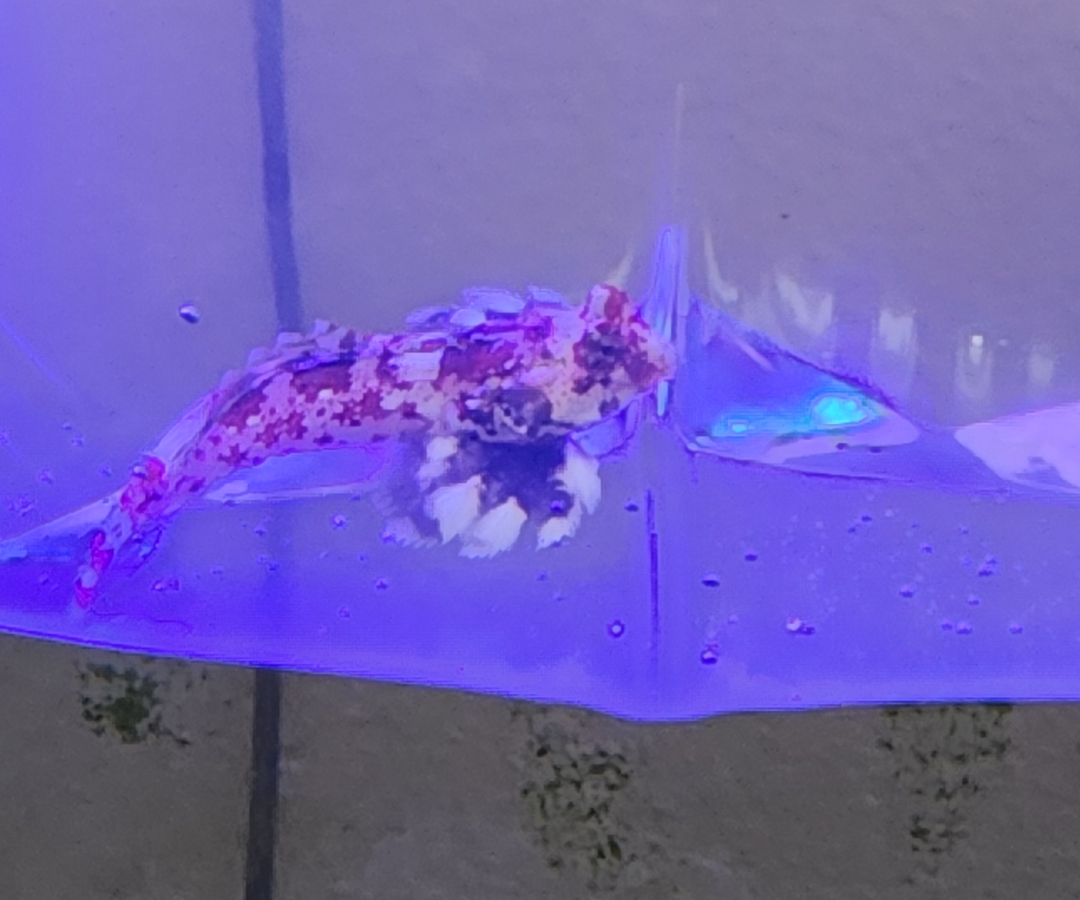
Red Scooter Dragonets are sexually dimorphic. Males are usually more colorful and have a tall, elongated first dorsal fin that they raise when they display, while females have a short, rounded first dorsal and more muted colors. The photo below shows a male with his dorsal raised.

Photo: Fedtred, Public domain, via Wikimedia Commons
Two males will often spar, especially in smaller tanks, so keep one male per system. A male–female pair can live together peacefully and is fun to watch at dusk, when they display and may spawn. Just remember that two dragonets eat twice as many pods, so a pair really needs a larger, refugium-supported tank.
Common problems and quick fixes
- Slowly getting thinner: this is the classic scooter problem. Increase pod dosing, add or expand a refugium, and keep offering frozen foods with a pipette
- Not eating frozen food: some never will. Make sure the tank can support it on pods alone before you rely on frozen
- Hiding all day: it is normal for a new fish to stay close to rock for a week or two. Constant hiding later can mean it is being bullied by a tankmate
- Disappearing: check pump intakes, overflows, and behind rockwork. Scooters blend in well with live rock
- Disease: dragonets have a thick slime coat that helps protect them, but it is not immunity. Quarantine new fish before they join the display. Our 30-day saltwater fish quarantine protocol explains the steps, and many keepers seed the quarantine tank with live pods so the dragonet doesn't lose weight
Buying checklist before you click purchase
- Check your tank first: at least 30 gallons, six or more months old, with plenty of rock, a sand bed, and ideally a refugium
- Look for a rounded belly, clear eyes, intact fins, and a fish that is actively picking at the rock
- Ask the seller what it is eating. A scooter already taking frozen mysis or brine is a big head start
- Prefer captive-bred when it is available
- Check your current fish list for other pod eaters, such as a mandarin, another scooter, or a six line wrasse
- Decide on one fish or a confirmed male–female pair. Don't add two males
- Have live copepods on hand for quarantine and the first weeks in the display
Ready to add one? Open the Red Scooter Dragonet fish page on ReefBay to see more photos from real home reefs and read owner reviews. You can also browse the ReefBay marketplace for healthy, eating dragonets from trusted sellers. Once yours is home, track feedings, pod dosing, and water tests in the ReefBay app, and share your own photos so the next reefer can see how yours is doing.